
Category: Gospel Theology
-
Torah Portion: Genesis 1:1–6:8 From Creation to the Coming of the Son of Man
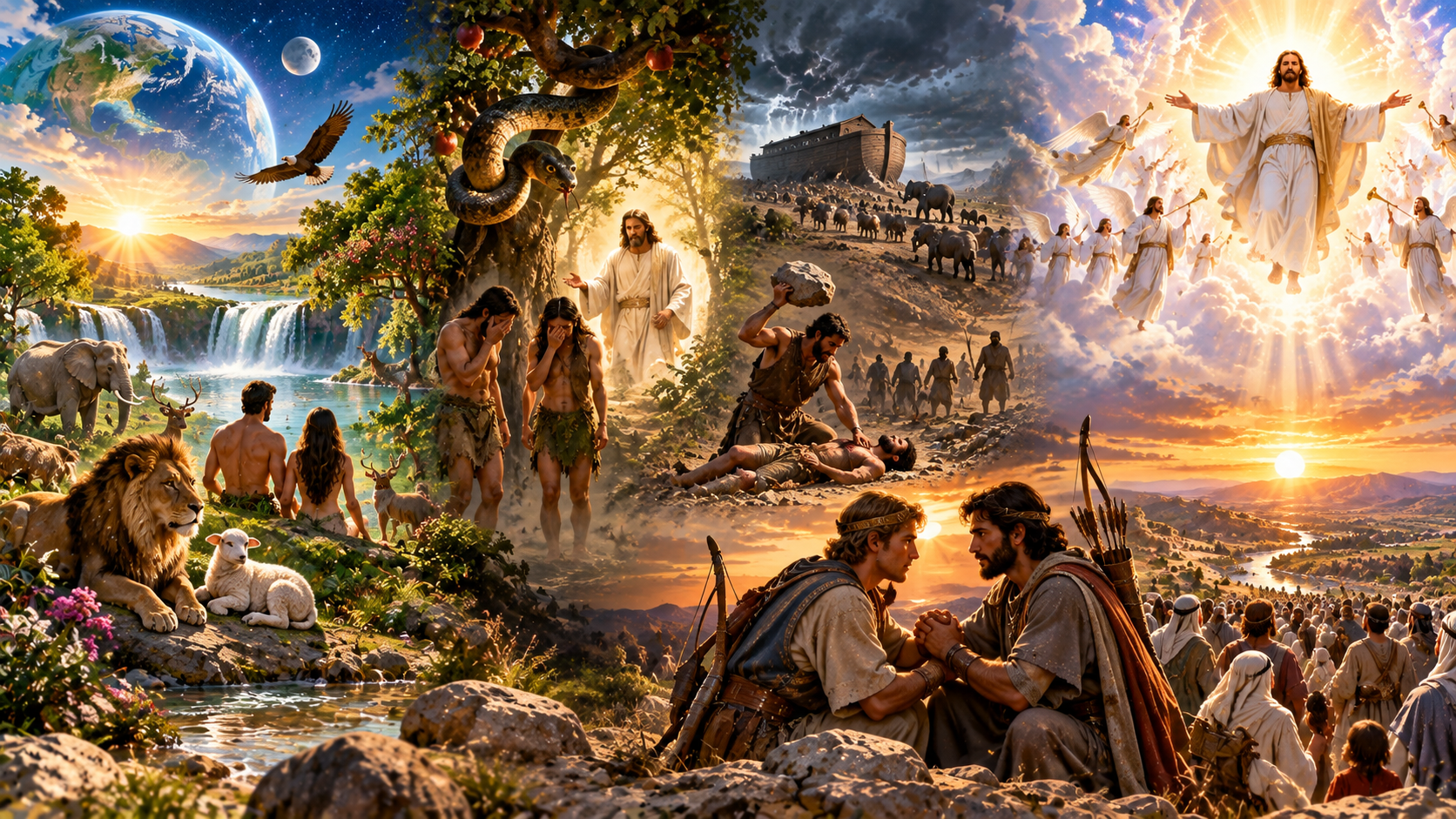
Yeshua in Genesis 1:1–6:8, 1 Samuel 20:18–42, and Matthew 24:29–36 In the Beginning, Yahweh Creates The Torah begins with perhaps the most familiar words in Scripture: “In the beginning God created the heavens and the earth” (Genesis 1:1). Before Abraham, before Israel, before Moses, before sin, judgment, sacrifice, or covenant, there is Yahweh. And what…
-
Ransom and Participation: Two Ways of Understanding the Atonement
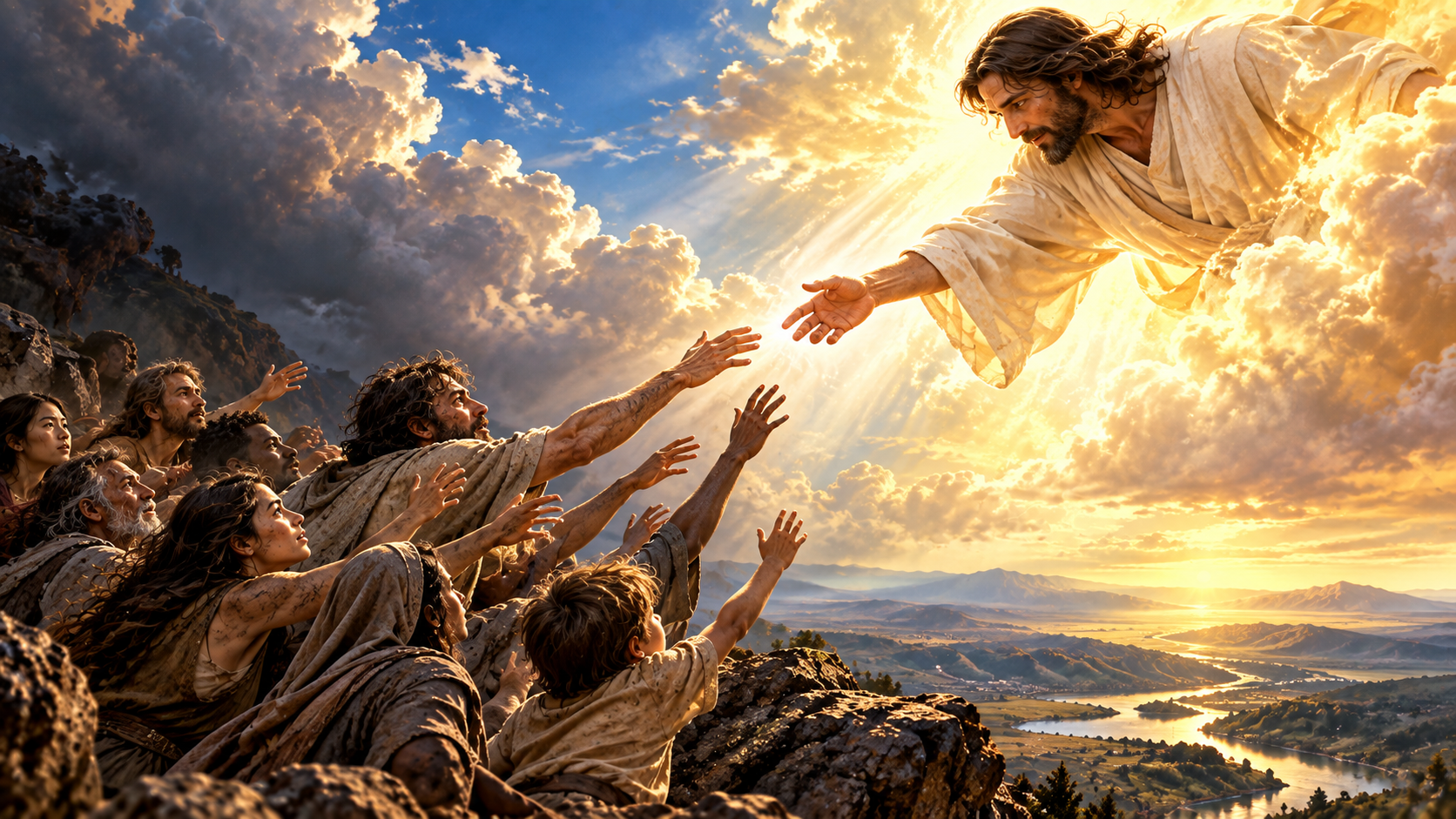
The Ransom Theory of Atonement and the Participation Theory of Atonement are different ways of explaining what Jesus accomplished through His incarnation, death, and resurrection. Yet they need not compete with each other. In fact, they fit together remarkably well. Ransom emphasizes our liberation from bondage, while Participation emphasizes our union with Participation emphasizes our…
-
God’s Passion

On September 22, 2026, I asked Chat GPT to tell me God’s number one passion based on Scripture. Here is the response I received. If I had to identify one thing Scripture most consistently portrays Yahweh as passionately pursuing, I would put it this way: Yahweh has a passion for restoring His creation to Himself—because…
-
Torah Portion: Yom Kippur and Yeshua

TORAH: Leviticus 16:1–34PROPHETS: Isaiah 57:14–58:14GOSPEL: Matthew 12:38–45; Matthew 25:31–46 Yom Kippur: A Day About Removing Sin Yom Kippur, the Day of Atonement, takes us into the heart of the biblical story of sin, judgment, cleansing, forgiveness, and reconciliation. Leviticus 16 describes the one day each year when the high priest entered the Most Holy Place…
-
Wounded Love
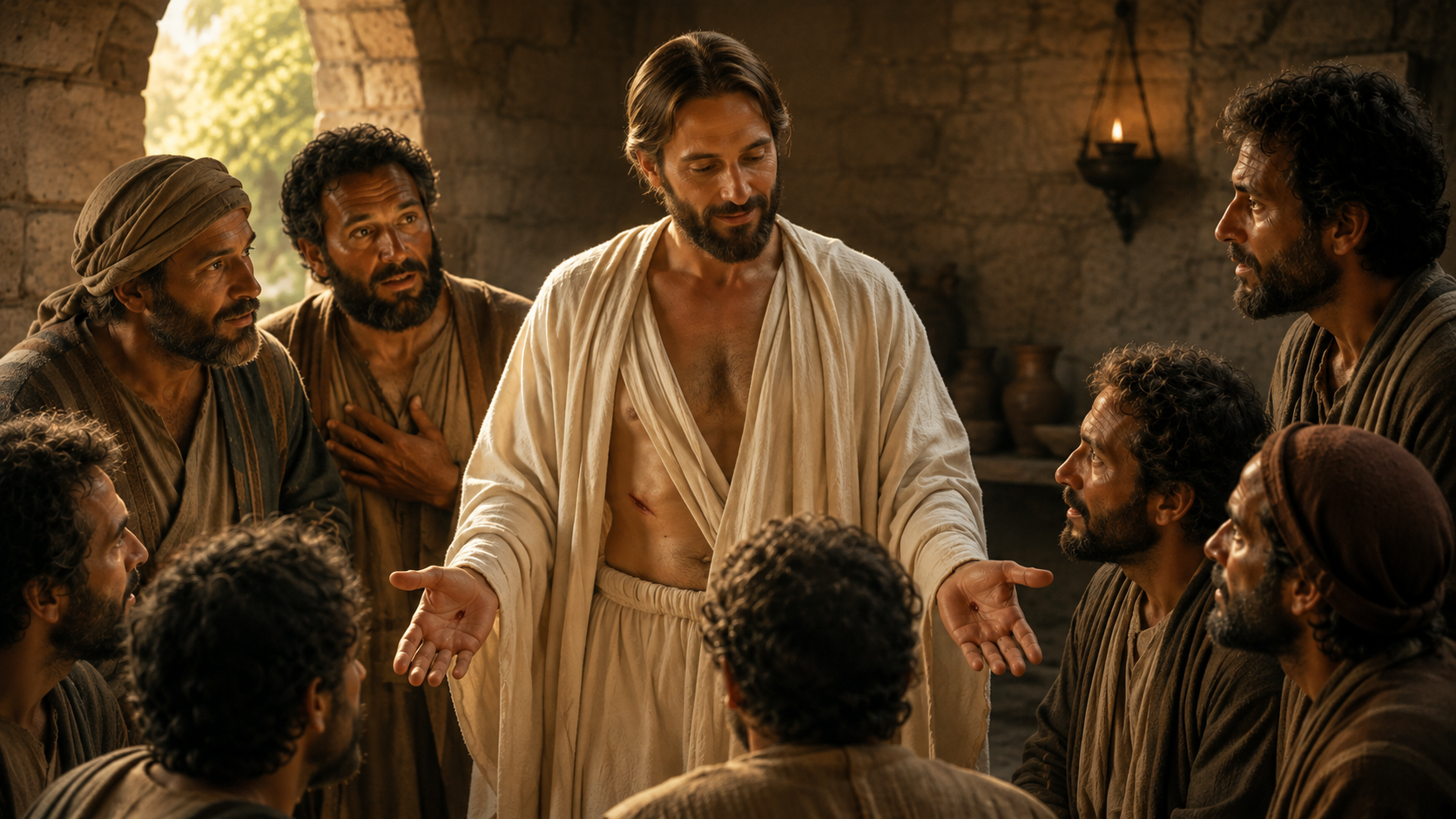
There is a line in the song A Little Child Shall Lead Them that deserves more than a passing hearing: “The lost, the last, the least are gathered home by wounded love that never knows defeat.” Those two words, wounded love, contain much of the gospel. The Love That Would Not Let Us Go John…
-
Torah Portion: Deuteronomy 16:18–21:9

If They Hear Moses, They Can Hear Yeshua In Luke 16:31, Yeshua says, “If they do not listen to Moses and the Prophets, they will not be persuaded even if someone rises from the dead.” That statement takes on remarkable significance after Yeshua Himself rises from the dead. It suggests that Moses had already supplied…
-
Torah Portion: Deuteronomy 07:12–11:25

Yeshua and Universalist Themes in Light of John 8:58 and Acts 3:21 The Great “I AM” Walking Through Deuteronomy In John 8:58, Yeshua made one of His most astonishing declarations: “Truly, truly, I say to you, before Abraham was, I AM.” With these words He identified Himself with the eternal “I AM” who revealed Himself…
-
Torah Portion: Deuteronomy 03:23-7:11

Yeshua and Universalist Themes in Light of John 1:45 and Acts 3:21 Moses Wrote of Yeshua In John 1:45, Philip joyfully announced to Nathanael, “We have found Him of whom Moses in the Law and also the Prophets wrote—Yeshua of Nazareth, the son of Joseph.” This declaration reveals that the Torah is ultimately a testimony…
-
Torah Portion: Deuteronomy 01-3:22
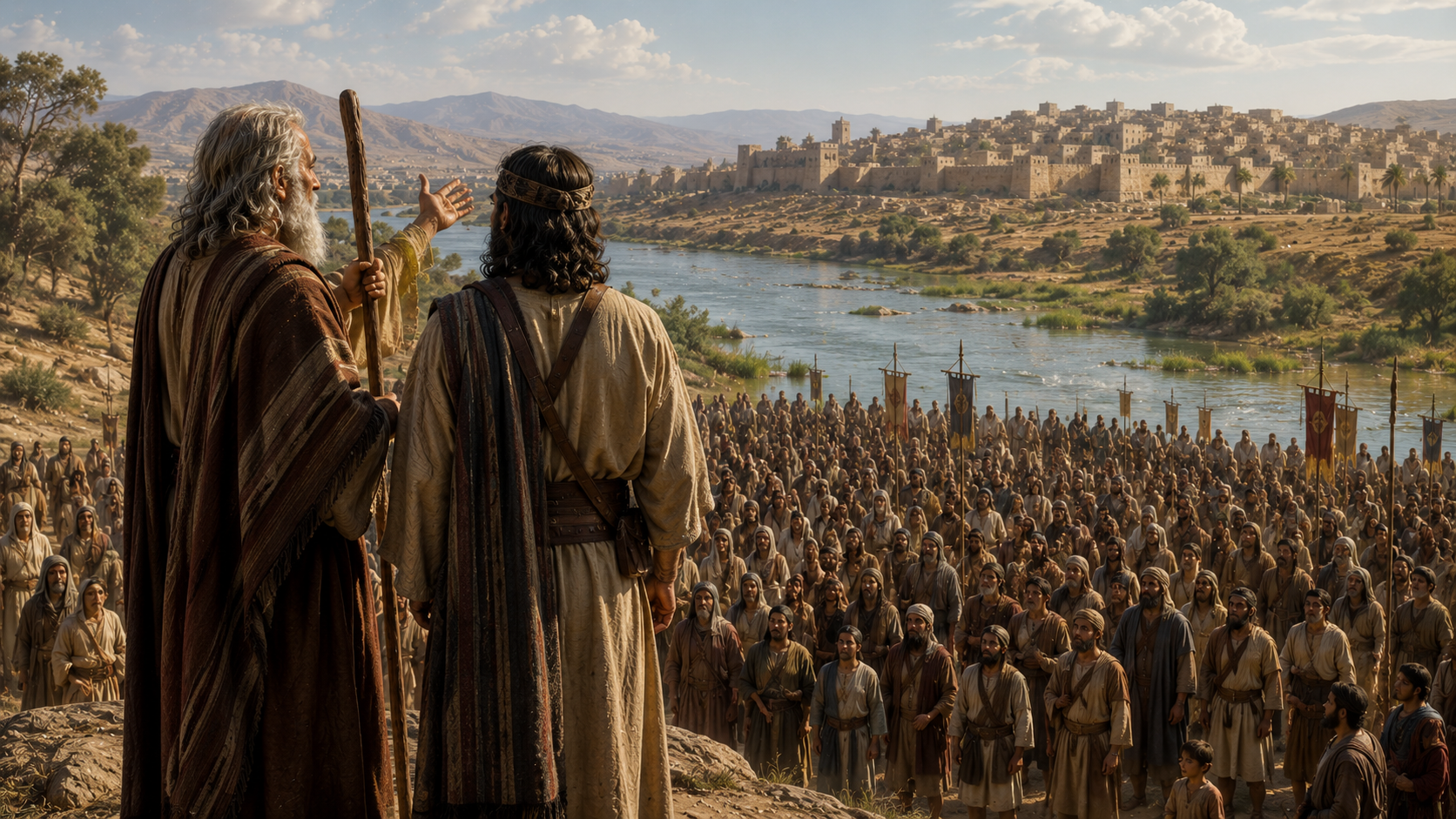
Yeshua in Deuteronomy 1:1–3:22 and Universalist Themes in Light of Hebrews 3:5 and Acts 3:21 Moses Testified of Yeshua Hebrews 3:5 declares, “Now Moses was faithful in all His house as a servant, for a testimony of those things which were to be spoken later.” The writer of Hebrews explains that Moses’ ministry was never…
-
Why Hell? Holiness? ECT, Annihilationism, or Universalism?

What Bible verses do Eternal Conscious Torment in hell or the Lake of Fire proponents use to support their claim that our Creator/Redeemer does it because of His holiness? Proponents of Eternal Conscious Torment (ECT) frequently appeal to God’s holiness as a theological basis for eternal punishment, but no single verse explicitly says “God sends…