
Category: Fallacy of eternal conscious torment,
-
Torah Portion: Deuteronomy 21:10-25:19
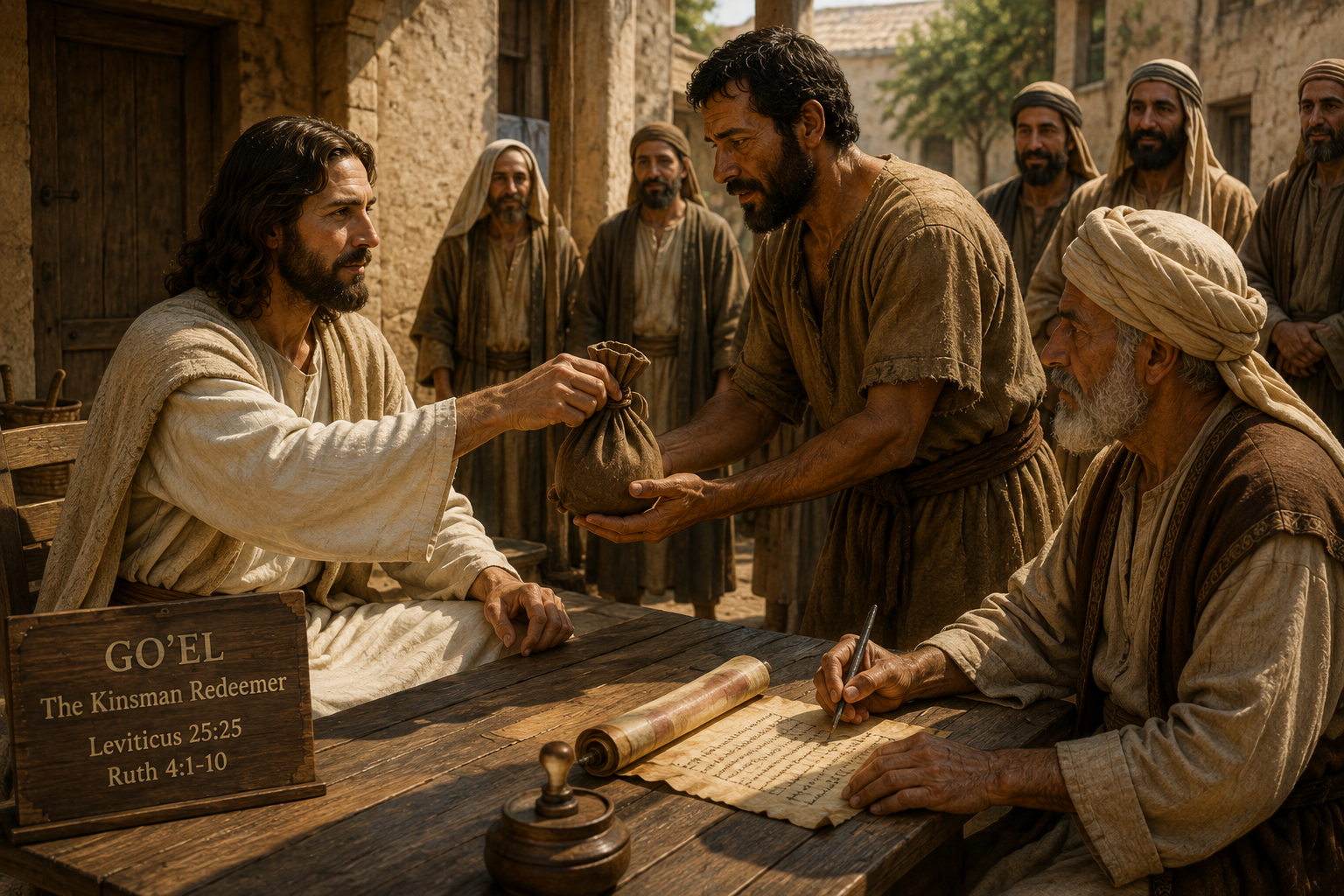
Yeshua in Deuteronomy 21:10–25:19 and the Restoration of All ThingsMoses Was Testifying About Things Yet to Come Hebrews 3:5 says, “Now Moses was faithful in all His house as a servant, for a testimony of those things which were to be spoken later.” The statement gives Christians an important way of reading Moses. The commandments…
-
Torah Portion: Deuteronomy 07:12–11:25
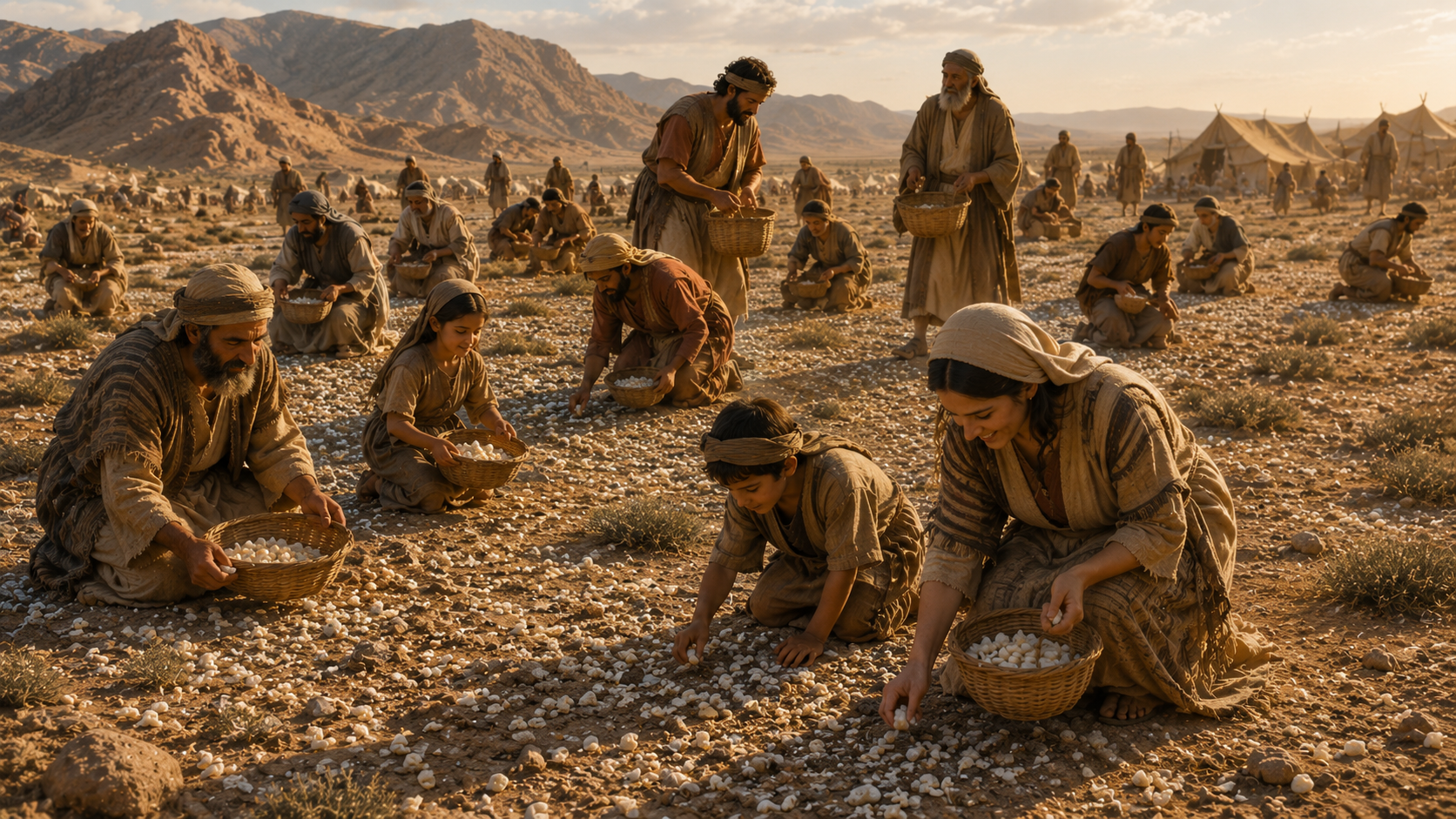
Yeshua and Universalist Themes in Light of John 8:58 and Acts 3:21 The Great “I AM” Walking Through Deuteronomy In John 8:58, Yeshua made one of His most astonishing declarations: “Truly, truly, I say to you, before Abraham was, I AM.” With these words He identified Himself with the eternal “I AM” who revealed Himself…
-
Torah Portion: Numbers 27B – Six Ancestors of the Five Daughters
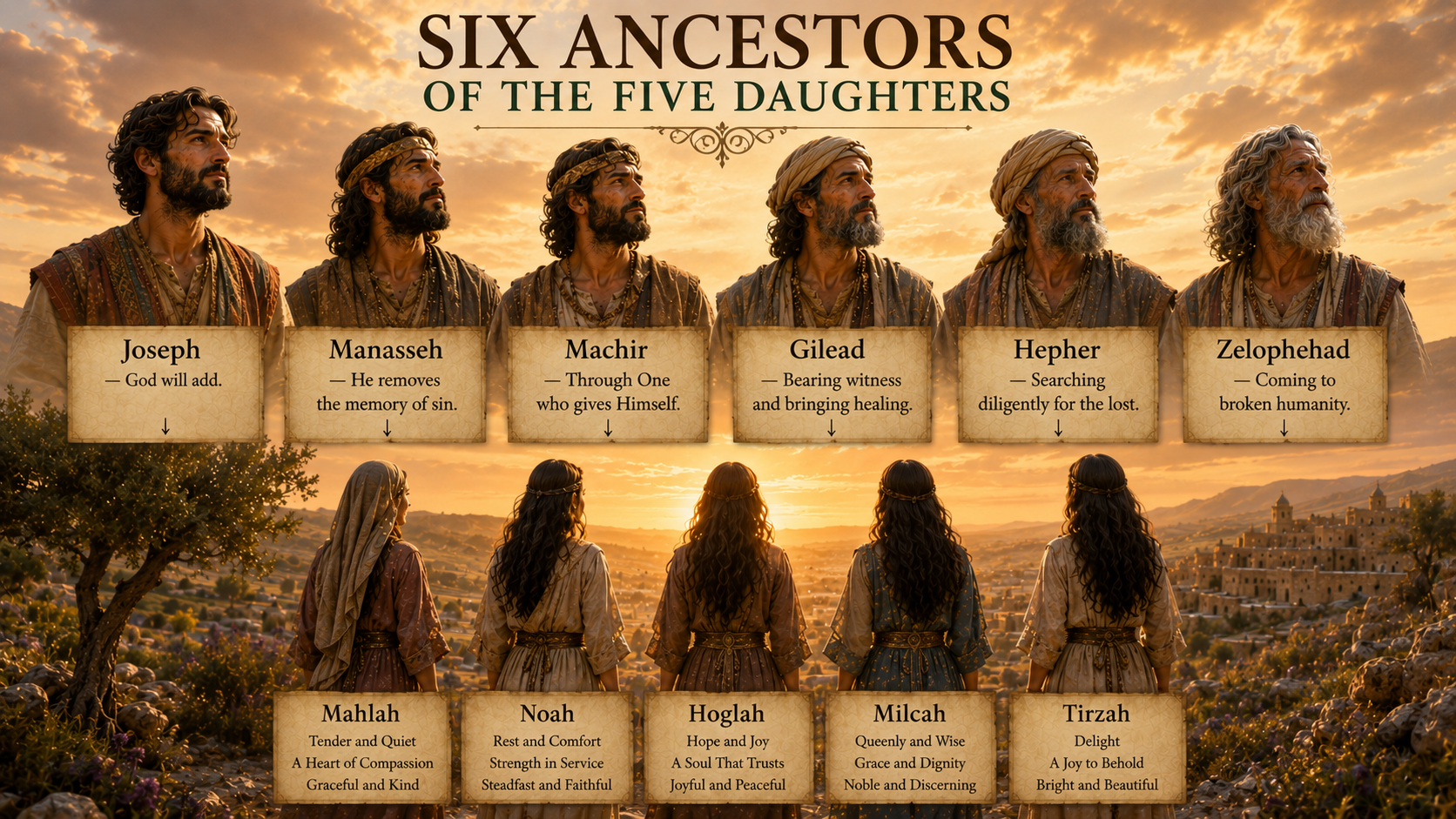
A Hidden Portrait of Yeshua and the Restoration of All Things. Reading Biblical Genealogies Through the Lens of Yeshua Biblical genealogies often appear to modern readers as little more than lists of names, yet throughout Scripture names frequently carry theological significance. They reveal character, destiny, covenant purpose, and sometimes profound prophetic symbolism. While the Bible…
-
Unquenchable Fire: Does It Mean Fire That Burns Forever?

One of the most significant questions in the debate over hell concerns the biblical expression “unquenchable fire.” Many Christians have been taught that the phrase automatically means a fire that burns forever. However, a careful examination of the original languages, the Old Testament background, and the way the Bible itself uses the expression suggests a…
-
Saved From God, or Saved By God?.

Rethinking Romans 5:9 and the Wrath of God One of the most familiar expressions in evangelical Christianity is, “Jesus saves us from the wrath of God.” Many believers have heard this phrase so often that it has become almost synonymous with the gospel itself. Yet an important question deserves careful examination: Is this actually how…
-
Why Hell? Holiness? ECT, Annihilationism, or Universalism?

What Bible verses do Eternal Conscious Torment in hell or the Lake of Fire proponents use to support their claim that our Creator/Redeemer does it because of His holiness? Proponents of Eternal Conscious Torment (ECT) frequently appeal to God’s holiness as a theological basis for eternal punishment, but no single verse explicitly says “God sends…
-
Matthew 8:11-12 and Luke 13:24-30
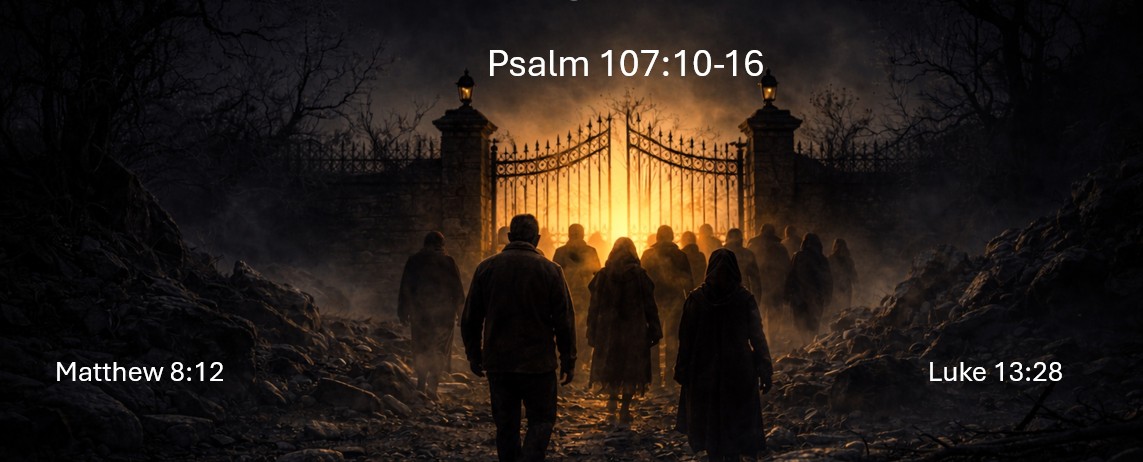
Matthew 8:11-12, “Many coming from east and west, reclining at the table with Abraham, Isaac and Jacob in the kingdom of heaven, but the sons of the kingdom being cast out into the outer darkness where there will be weeping and gnashing of teeth,” and its parallel but more in depth passage in Luke 13:22-30 present…
-
Isaiah 11:6 – Introduction

Isaiah’s vision of peace illustrates a world transformed by God’s kingdom, where natural enemies coexist harmoniously, led by a gentle child. This imagery reflects God’s intention to heal creation and restore relationships, emphasizing that peace comes through humility rather than force. In today’s context of division and violence, Isaiah’s message reassures us that fear and…
-
The Character of God in Revelation 20-22: A Linguistic and Theological Comparison

The final chapters of Revelation have long been central to debates about the ultimate destiny of humanity and the nature of God’s judgment. This article examines what Revelation 20-22 reveals about God’s character from two contrasting theological perspectives: Christian Universalism and Eternal Conscious Torment (ECT). Rather than focusing solely on the mechanics of judgment, we’ll…
-
Divine Love and Eternal Torment: A Theological Examination

The Central QuestionThroughout Christian history, believers have wrestled with one of theology’s most difficult questions: What happens to those who die without faith? Three major views have emerged—Eternal Conscious Torment (ECT), Annihilationism, and Universalism—each claiming to represent biblical truth. But when we examine these views through the lens of divine love, a crucial question emerges:…