
Tag: Jesus
-
Ransom and Participation: Two Ways of Understanding the Atonement
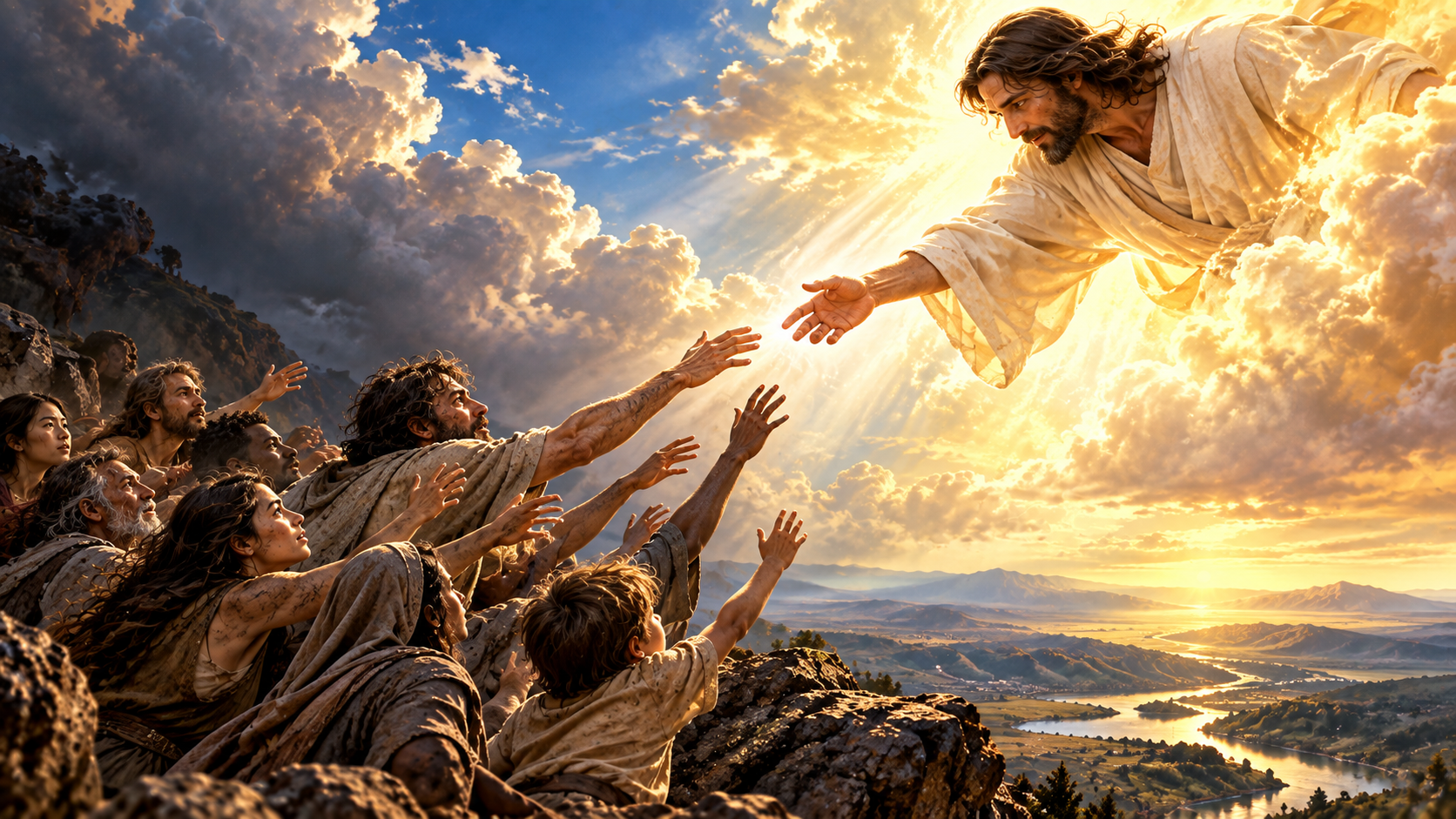
The Ransom Theory of Atonement and the Participation Theory of Atonement are different ways of explaining what Jesus accomplished through His incarnation, death, and resurrection. Yet they need not compete with each other. In fact, they fit together remarkably well. Ransom emphasizes our liberation from bondage, while Participation emphasizes our union with Participation emphasizes our…
-
Torah Portion: Deuteronomy 33:1-34:12,
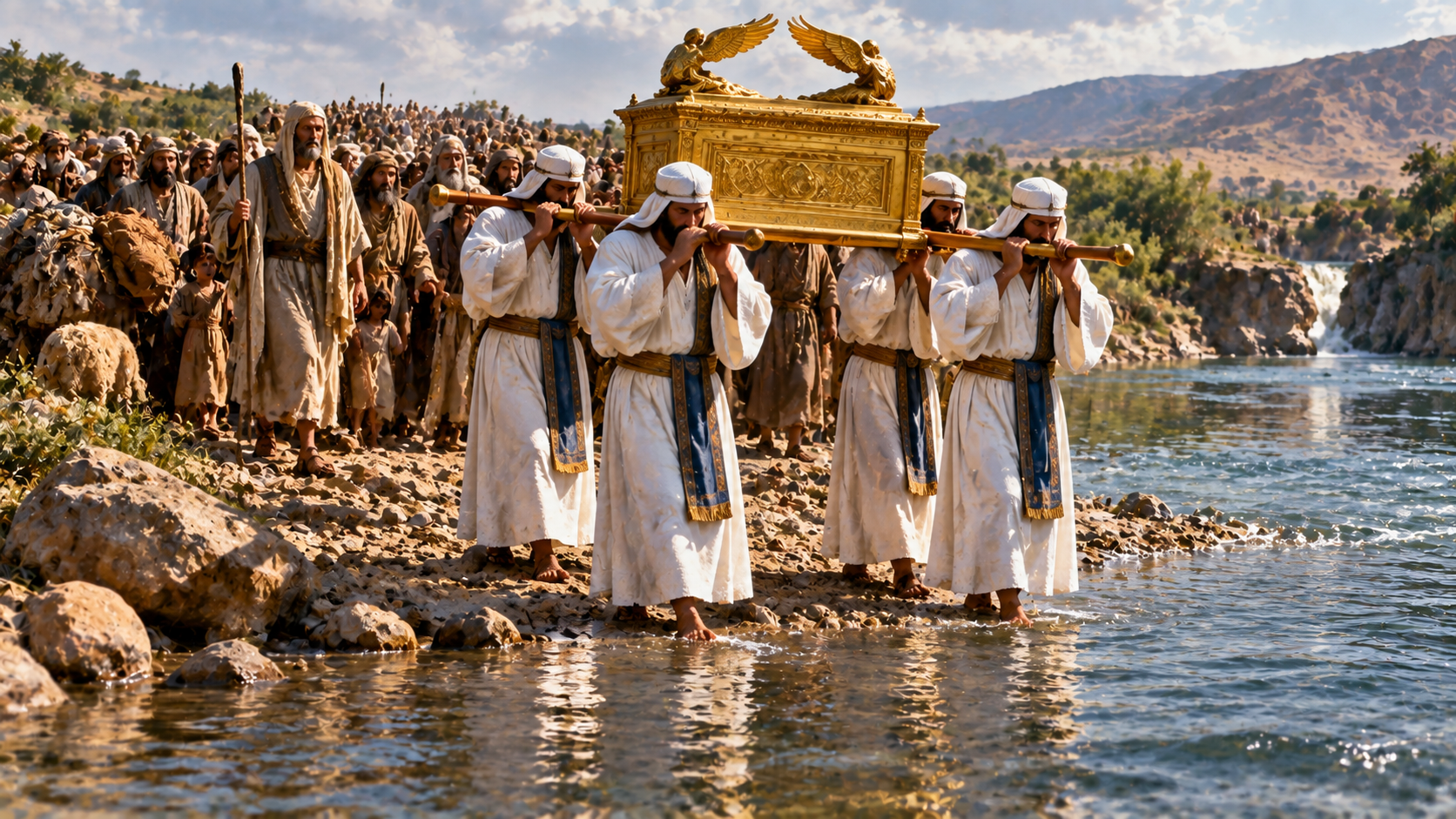
Torah Deuteronomy 33:1-34:12, Prophets Joshua 1:1-18, and Gospel Acts 1:1-14 Yeshua in the Final Torah Portion: From Moses to Joshua to the Restoration of All Things The Story Does Not End With Moses Deuteronomy 33:1–34:12 brings us to one of the most moving moments in all the Torah. Moses, the servant of Yahweh, has reached…
-
God’s Passion

On September 22, 2026, I asked Chat GPT to tell me God’s number one passion based on Scripture. Here is the response I received. If I had to identify one thing Scripture most consistently portrays Yahweh as passionately pursuing, I would put it this way: Yahweh has a passion for restoring His creation to Himself—because…
-
Torah Portion: Deuteronomy 32
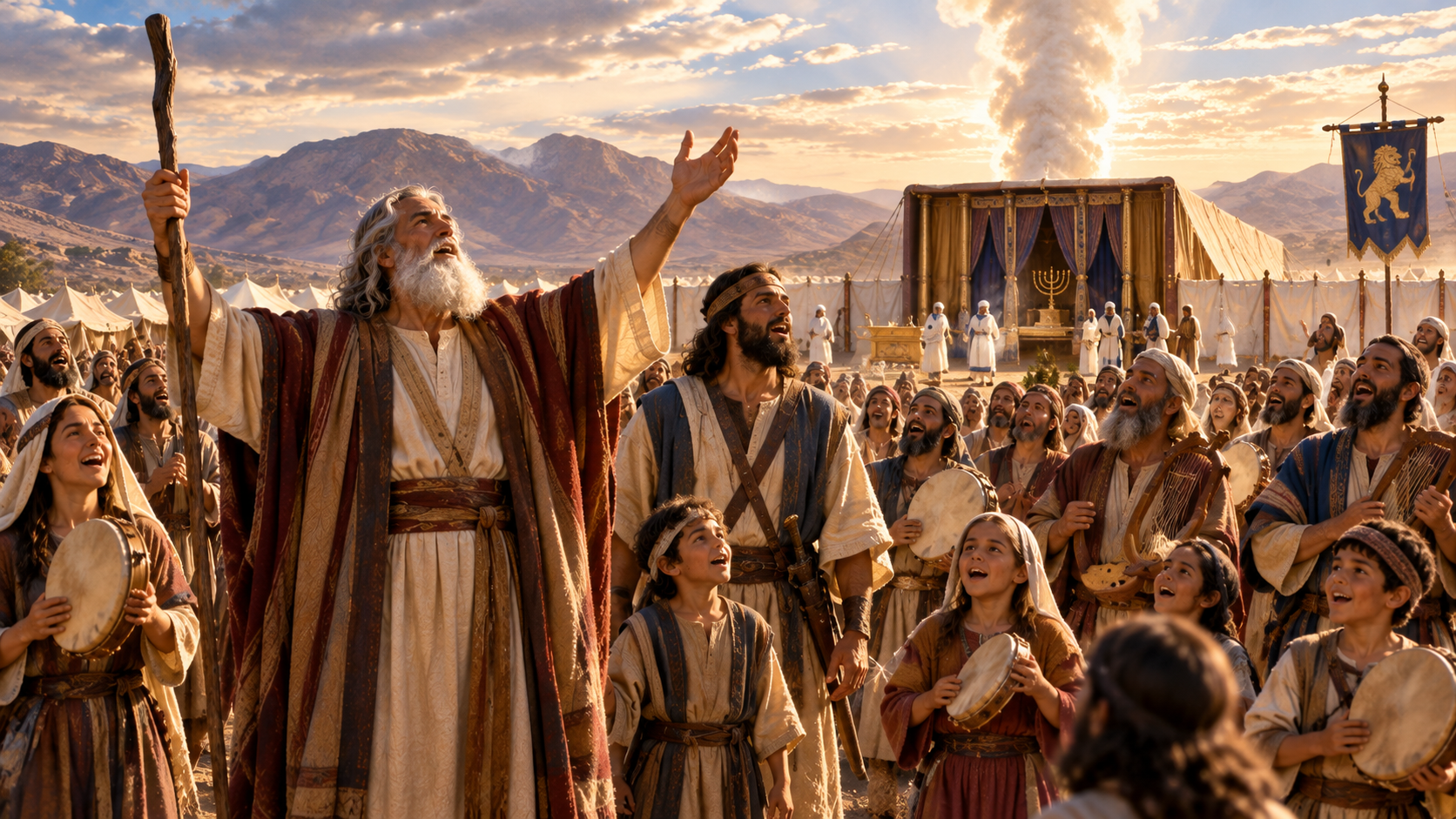
Song of Moses TORAH: Deuteronomy 32:1–52PROPHETS: Hosea 14:2–10; Joel 2:15–27GOSPEL: Matthew 18:21–35 At first glance, Deuteronomy 32, Hosea 14, Joel 2, and Matthew 18 may appear to address very different subjects. Moses sings about Israel’s rebellion and Yahweh’s judgment. Hosea pleads with Israel to return to Yahweh. Joel calls a devastated nation to repentance and…
-
Torah Portion: Deuteronomy 29:9–31:30

The Covenant, the Return, and the Restoration of All Things Beginning With Moses When Yeshua walked with the two disciples on the road to Emmaus, Luke tells us something remarkable about the way He understood the Hebrew Scriptures: “Then beginning with Moses and with all the prophets, He explained to them the things concerning Himself…
-
Torah Portion: Deuteronomy 26:1–29:8

Moses Wrote Things That Would Be Fulfilled in Yeshua In Luke 24:44, the risen Yeshua told His disciples that everything written about Him “in the Law of Moses and the Prophets and the Psalms must be fulfilled.” Deuteronomy 26:1–29:8 is especially interesting in that light. At first it may appear to contain mainly agricultural offerings,…
-
Torah Portion: Deuteronomy 21:10-25:19
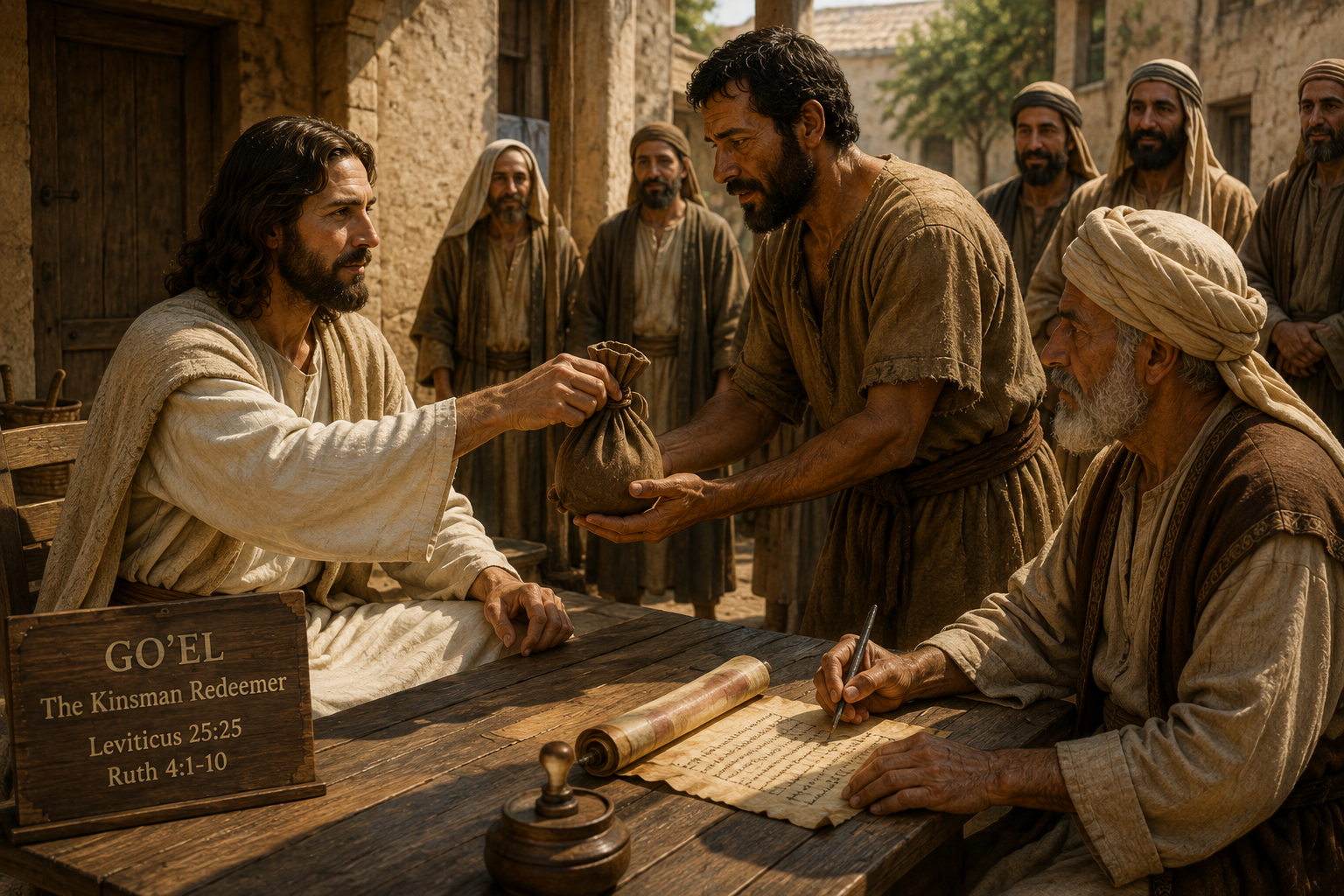
Yeshua in Deuteronomy 21:10–25:19 and the Restoration of All ThingsMoses Was Testifying About Things Yet to Come Hebrews 3:5 says, “Now Moses was faithful in all His house as a servant, for a testimony of those things which were to be spoken later.” The statement gives Christians an important way of reading Moses. The commandments…
-
Torah Portion: Deuteronomy 11:26–16:17
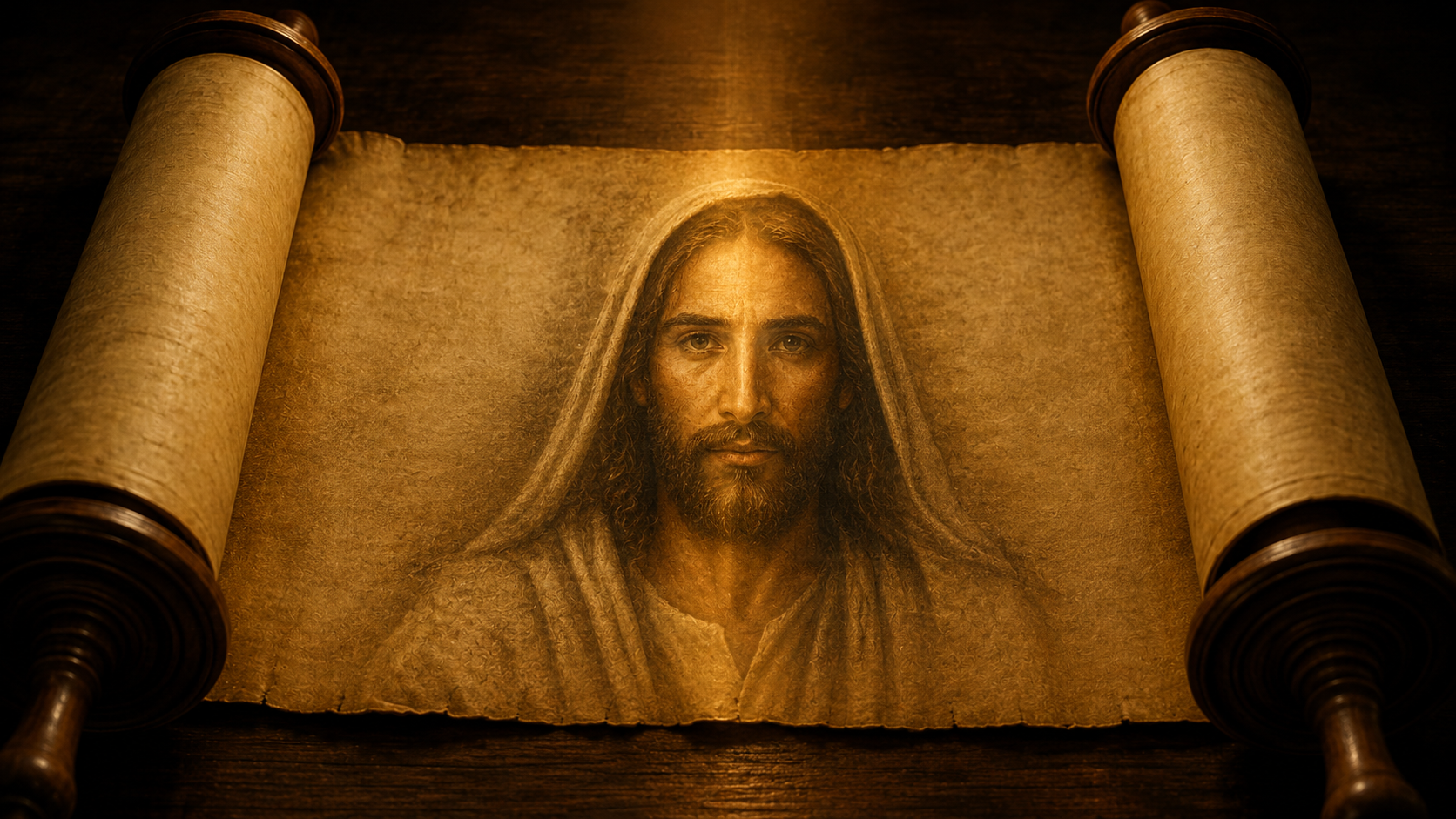
The Hidden Teacher Is Revealed and Universalist Themes in Light of Isaiah 30:20 and Acts 3:21 Isaiah gave Israel a remarkable promise: “Although Yahweh has given you bread of privation and water of oppression, He, your Teacher will no longer hide Himself, but your eyes will behold your Teacher.” Isaiah 30:20 Believers have long understood…
-
Torah Portion: Deuteronomy 07:12–11:25
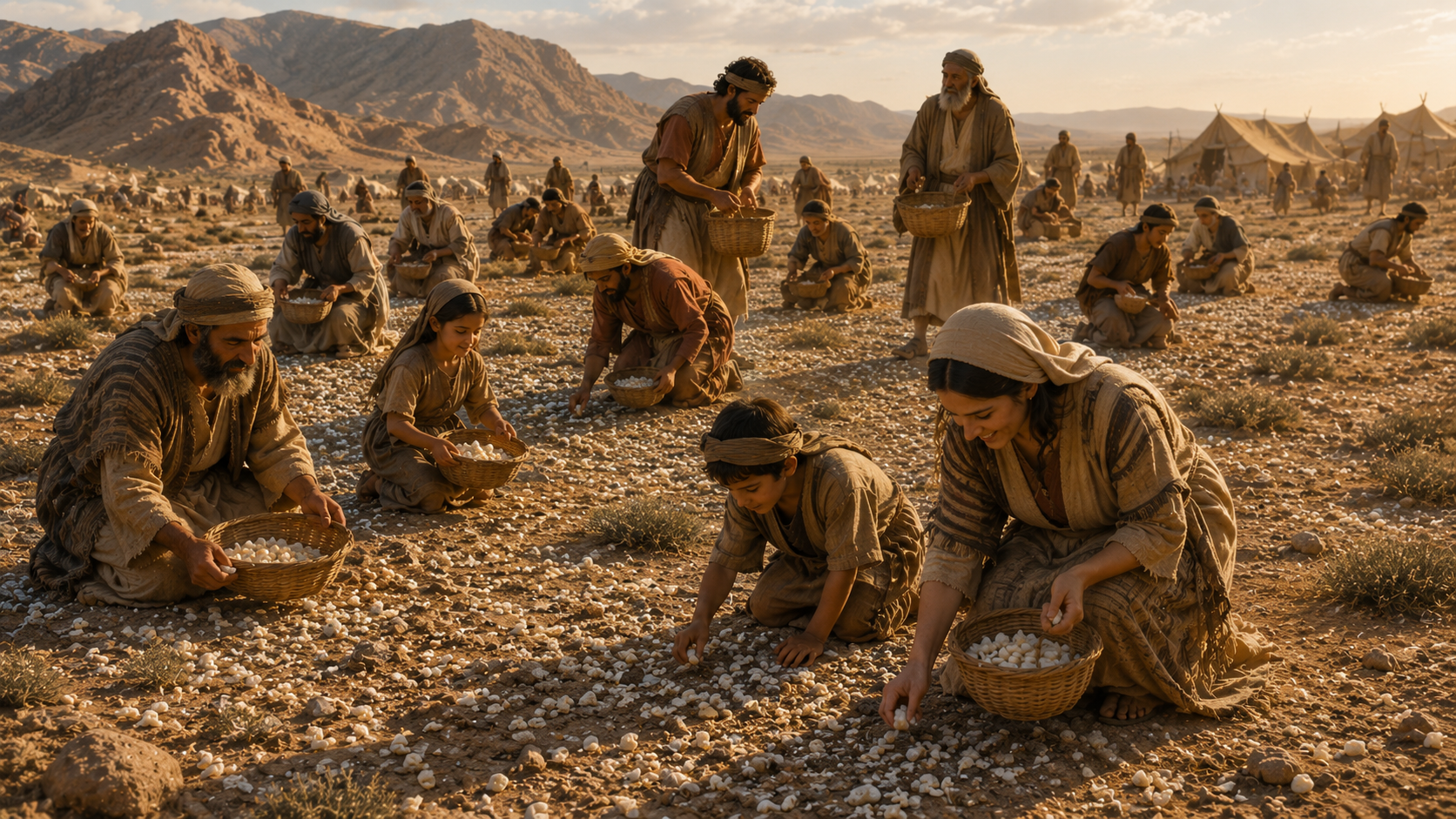
Yeshua and Universalist Themes in Light of John 8:58 and Acts 3:21 The Great “I AM” Walking Through Deuteronomy In John 8:58, Yeshua made one of His most astonishing declarations: “Truly, truly, I say to you, before Abraham was, I AM.” With these words He identified Himself with the eternal “I AM” who revealed Himself…
-
Torah Portion: Deuteronomy 03:23-7:11

Yeshua and Universalist Themes in Light of John 1:45 and Acts 3:21 Moses Wrote of Yeshua In John 1:45, Philip joyfully announced to Nathanael, “We have found Him of whom Moses in the Law and also the Prophets wrote—Yeshua of Nazareth, the son of Joseph.” This declaration reveals that the Torah is ultimately a testimony…