
Category: Biblical Studies
-
Ransom and Participation: Two Ways of Understanding the Atonement

The Ransom Theory of Atonement and the Participation Theory of Atonement are different ways of explaining what Jesus accomplished through His incarnation, death, and resurrection. Yet they need not compete with each other. In fact, they fit together remarkably well. Ransom emphasizes our liberation from bondage, while Participation emphasizes our union with Participation emphasizes our…
-
Why Hell? Holiness? ECT, Annihilationism, or Universalism?

What Bible verses do Eternal Conscious Torment in hell or the Lake of Fire proponents use to support their claim that our Creator/Redeemer does it because of His holiness? Proponents of Eternal Conscious Torment (ECT) frequently appeal to God’s holiness as a theological basis for eternal punishment, but no single verse explicitly says “God sends…
-
AI: Plundering AI

My request of Chat GPT: This is “far out” and strange: Is there any connection between the city of AI in Joshua 7 and 8 and Artificial Intelligence (AI), because if there is, we are allowed to take and use its “spoil and “plunder” as per Joshua 8:2 and 8:27. “How do you like them…
-
Torah Portion: Numbers 19-25:9 Yeshua, Our Red Heifer

“Now He said to them, ‘These are My words which I spoke to you while I was still with you, that all things which are written about Me in the Law of Moses and the Prophets and the Psalms must be fulfilled.’” Luke 24:44 When Yeshua spoke as recorded in Luke 24:44 “that all things…
-
Torah Portion: Numbers 16-18 Yeshua, Our Rod and Branch
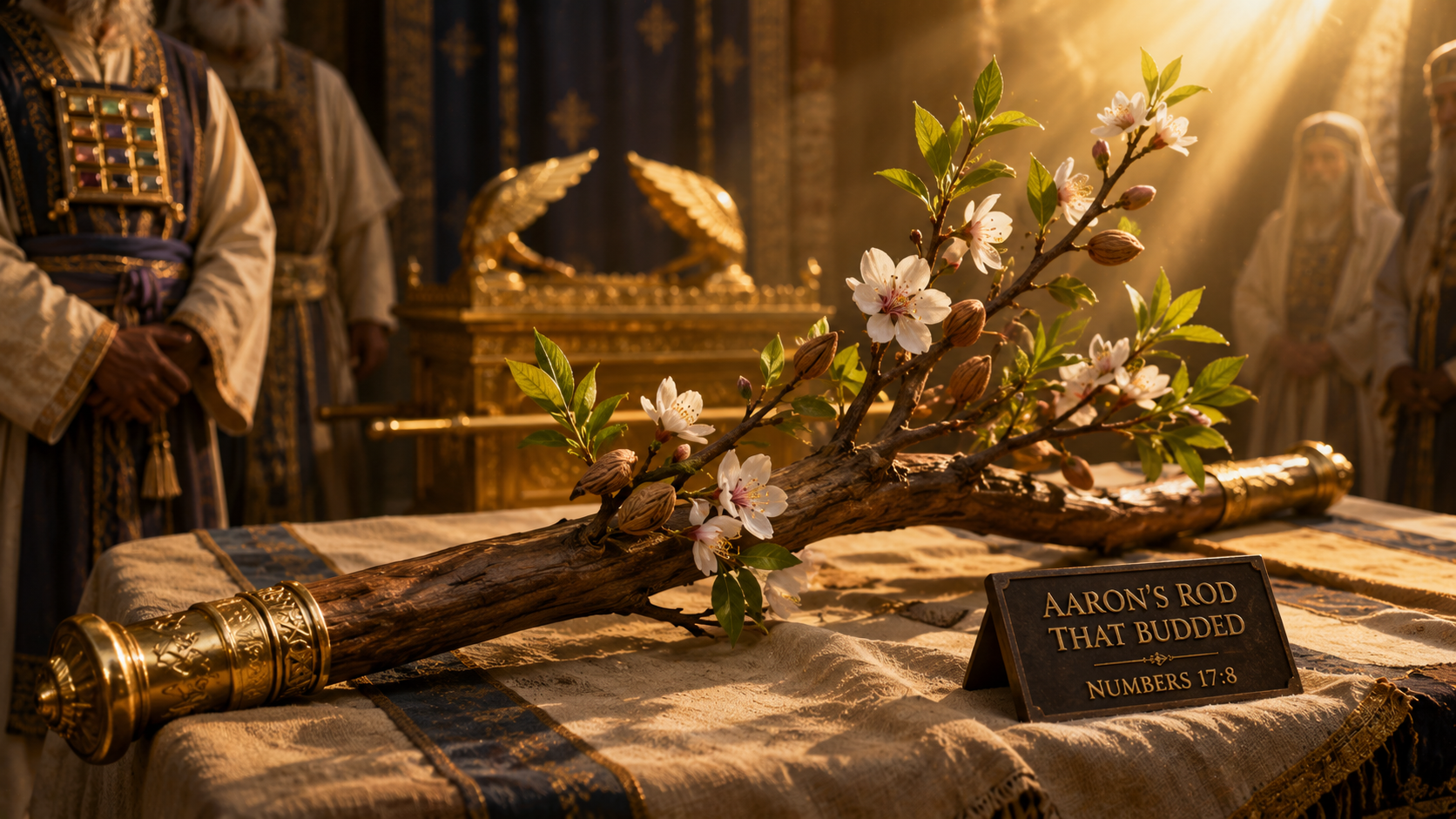
Luke 16:31 “But he said to him, ‘If they do not listen to Moses and the Prophets, they will not be persuaded even if someone rises from the dead.’” When Yeshua (Jesus) spoke as recorded in Luke 16:31 He was teaching that the writings of Moses contain prophetic patterns and shadows that ultimately point to…
-
Colossians 1:15–20: Christ the Reconciler of All

Among the most sweeping and majestic passages in all of Scripture is Colossians 1:15–20. In these verses, the Apostle Paul presents Jesus Christ not merely as Savior of a select group of people, but as the Creator, Sustainer, and ultimate Reconciler of the entire universe. For Christian Universalists, this passage stands as one of the…
-
Matthew 25:46 – Aionios and Kolasis: Judgment as Restoration

Few passages in the New Testament have exercised greater influence on Christian views of final judgment than Matthew 25:46: “And these will go away into eternal (aionios) punishment (kolasis), but the righteous into eternal (aionios) life (zoē).” This verse is frequently treated as decisive evidence for eternal conscious torment. Such interpretations, however, rest upon linguistic…
-
All Shall Be Made Alive: 1 Corinthians 15:22

“For as in Adam all die, so also in Christ all shall be made alive.” Here are Bible verses confirming this wonderful promise of God in 1 Corinthians 15:22 and used for a song about this profound precept. These are only a few of 186 Biblical statements supporting 1 Corinthians 15:22 as set forth by…
-
Exegesis and Eisegesis – Who Are These Characters?

Exegesis – drawing the meaning out of a text, especially Scripture, by paying attention to its context, grammar, and original intent. Eisegesis means reading your own ideas or assumptions into a text instead of letting the text speak for itself. In plain language Exegesis tries to understand the passage as its original audience would have understood it, while eisegesis…
-
Judging Angels – Part 2 From Daniel to Jesus to Paul: How the Saints Share in God’s Judgment.

“Or do you not know that the saints will judge the world? If the world is judged by you, are you not competent to constitute the smallest law courts? Do you not know that we will judge angels? 1 Corinthians 6:2-3. The apostle Paul’s statement in this passage that believers will “judge the world” and “judge…