
Tag: Jesus
-
Torah Portion: Deuteronomy 01-3:22

Yeshua in Deuteronomy 1:1–3:22 and Universalist Themes in Light of Hebrews 3:5 and Acts 3:21 Moses Testified of Yeshua Hebrews 3:5 declares, “Now Moses was faithful in all His house as a servant, for a testimony of those things which were to be spoken later.” The writer of Hebrews explains that Moses’ ministry was never…
-
Torah Portion: Numbers 27B – Six Ancestors of the Five Daughters
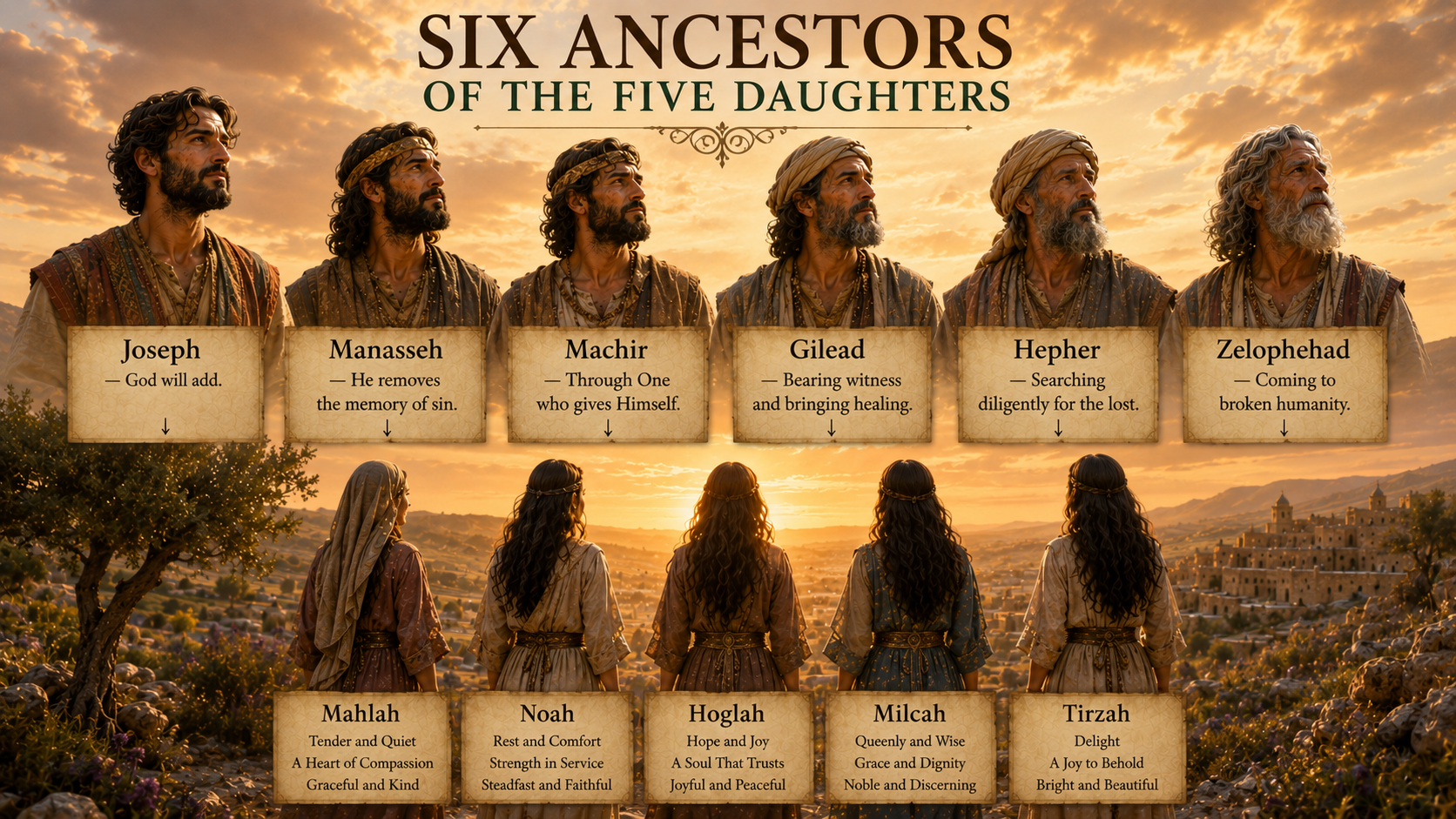
A Hidden Portrait of Yeshua and the Restoration of All Things. Reading Biblical Genealogies Through the Lens of Yeshua Biblical genealogies often appear to modern readers as little more than lists of names, yet throughout Scripture names frequently carry theological significance. They reveal character, destiny, covenant purpose, and sometimes profound prophetic symbolism. While the Bible…
-
Torah Portion: Numbers 25:10–30:1: Messianic Foreshadowings and Universal Restoration Themes

Finding Yeshua in the Torah In Luke 24:27, Yeshua is reported as telling the two disciples on the road to Emmaus “beginning with Moses and with all the prophets, He explained to them the things concerning Himself in all the Scriptures.” This remarkable statement encourages believers to search even the most obscure portions of the…
-
Saved From God, or Saved By God?.

Rethinking Romans 5:9 and the Wrath of God One of the most familiar expressions in evangelical Christianity is, “Jesus saves us from the wrath of God.” Many believers have heard this phrase so often that it has become almost synonymous with the gospel itself. Yet an important question deserves careful examination: Is this actually how…
-
Torah Portion: Numbers 16-18 Yeshua, Our Rod and Branch
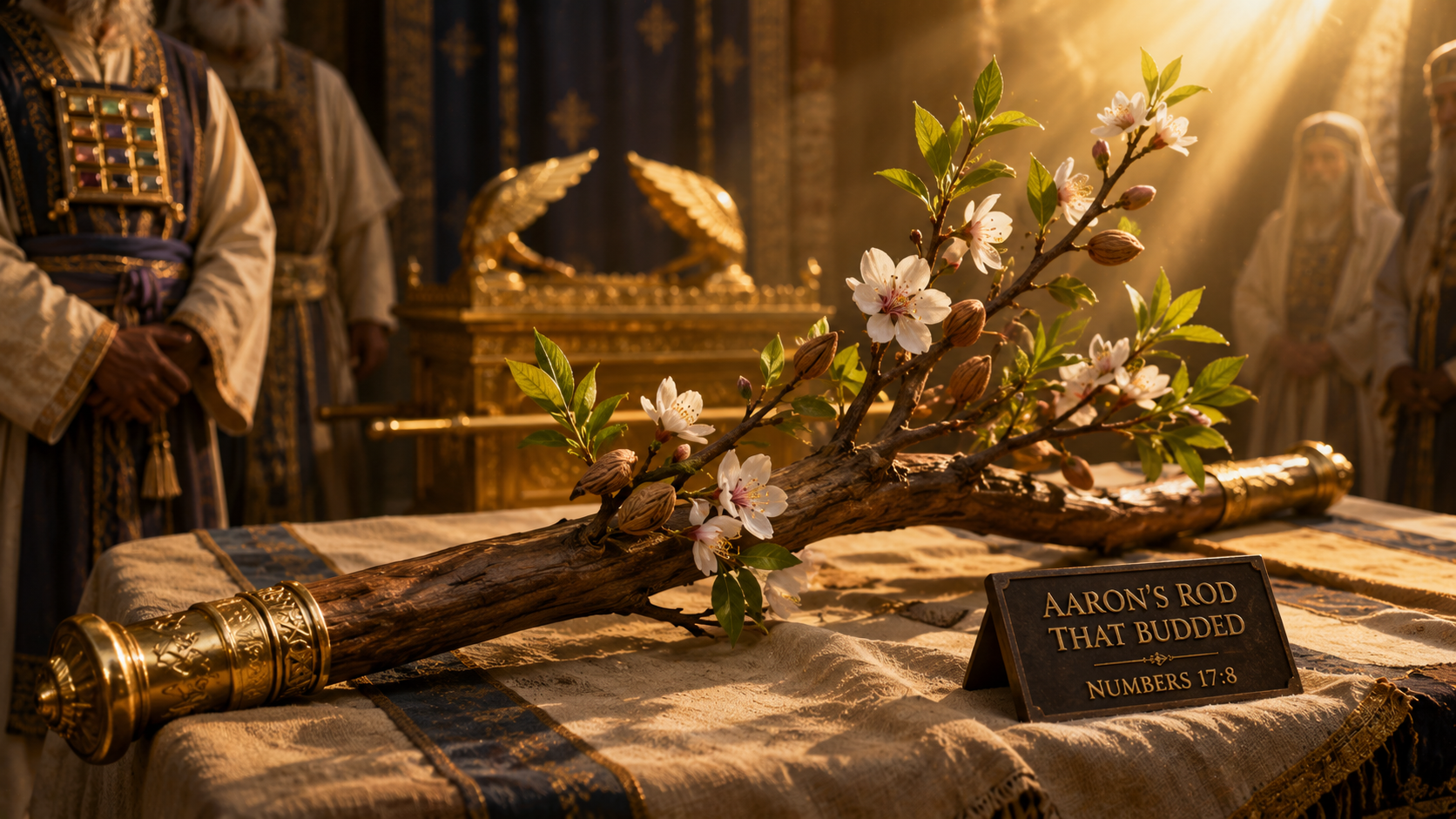
Luke 16:31 “But he said to him, ‘If they do not listen to Moses and the Prophets, they will not be persuaded even if someone rises from the dead.’” When Yeshua (Jesus) spoke as recorded in Luke 16:31 He was teaching that the writings of Moses contain prophetic patterns and shadows that ultimately point to…
-
Colossians 1:15–20: Christ the Reconciler of All

Among the most sweeping and majestic passages in all of Scripture is Colossians 1:15–20. In these verses, the Apostle Paul presents Jesus Christ not merely as Savior of a select group of people, but as the Creator, Sustainer, and ultimate Reconciler of the entire universe. For Christian Universalists, this passage stands as one of the…
-
Torah Portion: Numbers 13-15 and Universal Restoration

When Jesus declared in John 5:46, “If you believed Moses, you would believe Me, for he wrote of Me,” He revealed that the writings of Moses contain far more than historical accounts and legal instructions. Beneath the surface are prophetic patterns, types, and shadows that ultimately point to Christ. This is especially true in Numbers…
-
AI: A Tool, Not A Savior

Artificial Intelligence is one of the most powerful technologies ever developed by mankind. Like electricity, the internet, television, or even the printing press, AI itself is not inherently evil or good. Its moral value depends largely on the hearts and intentions of the people using it. The Bible teaches that human beings are capable of…
-
The Ransom of Mankind

Here is something that sits right at the heart of the Bible. It’s this idea that Jesus gave Himself as a ransom for all. Now, “ransom” isn’t a word we use much anymore, unless we’re watching an old Western or a crime show. But in the Bible, it’s a powerful word. It means a price…
-
Predestination – Three Views – Calvinism, Arminianism and Universalism

Article 1: Predestination in Christian Theology: A Biblical and Historical Comparison. Predestination is one of the most significant and debated doctrines in Christian theology. Rooted in Scripture and developed throughout church history, it addresses the relationship between God’s sovereignty and human salvation. Three primary interpretations have emerged within orthodox Christianity: the Calvinist view, the Arminian…