-
Perfect Love Don’t Leave You Afraid (1 John 4:18)

Now let’s just slow down and think about this a minute. The Bible says: “There is no fear in love; but perfect love casts out fear, because fear involves punishment…” If you’re still afraid of God… afraid of punishment… afraid of what’s coming… Love ain’t finished its work in you yet. Fear and punishment go…
-
Does 1 John 4:18 Refute Eternal Punishment because Perfect Love Casts Out Fear?

Few verses in Scripture speak as directly to the human condition—and to the nature of God—as 1 John 4:18 “There is no fear in love; but perfect love casts out fear, because fear involves punishment, and the one who fears is not perfected in love.” (NASB) This is not merely devotional language. It is a…
-
Slave-Owning Christians – “Will They Be In Heaven?”

“Therefore I tell you, every sin and blasphemy will be forgiven people, but the blasphemy against the Spirit will not be forgiven. And whoever speaks a word against the Son of Man will be forgiven, but whoever speaks against the Holy Spirit will not be forgiven, either in this age or in the age to come”…
-
Immeasurable Worth of Every Human Being
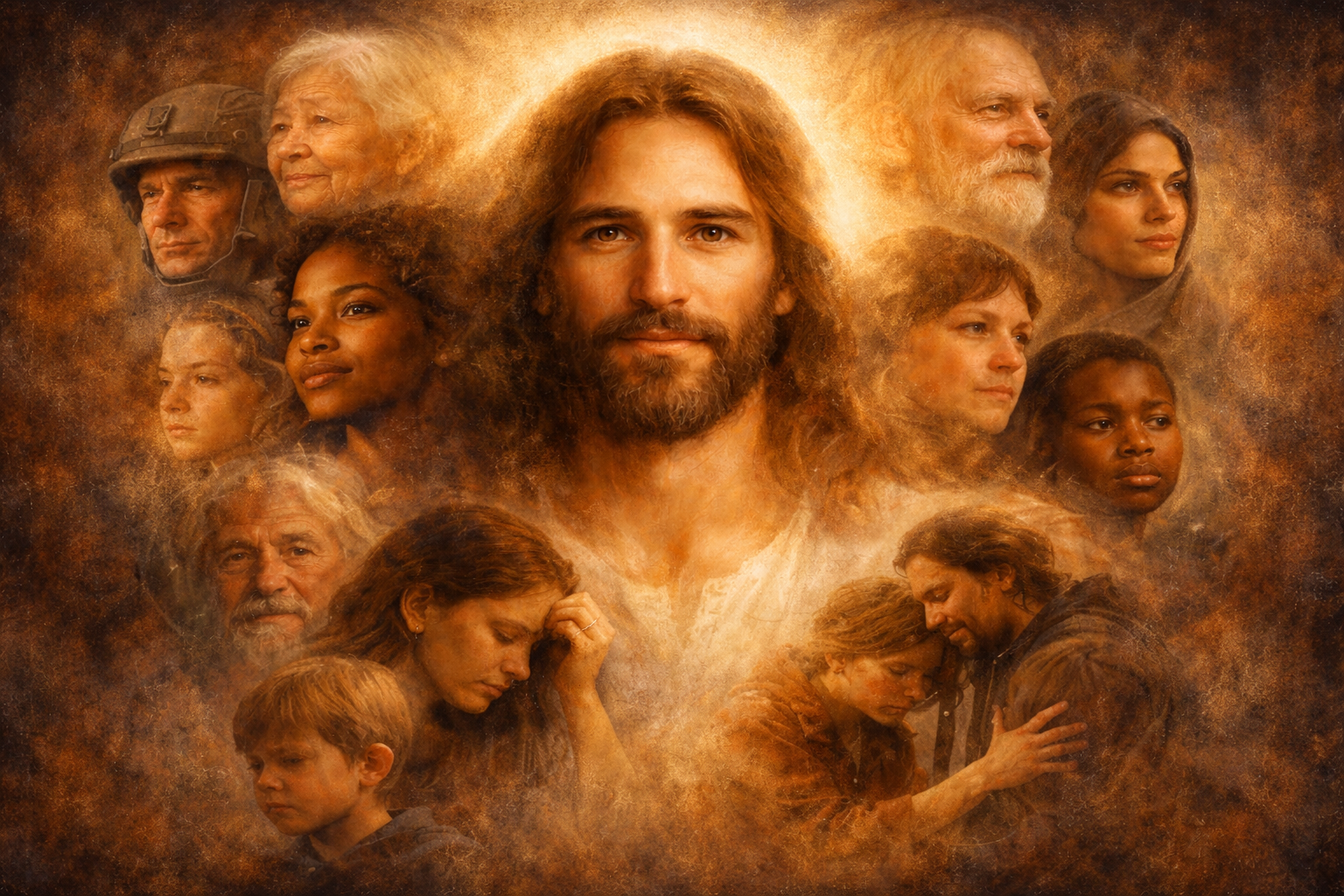
Reflections of a Tomboy Grandma: On the Immeasurable Worth of Every Human Being, by Diane Perkins Castro — A Summary The Life-Changing Truth About Every Human Being. What is the most fundamental fact of our human existence? According to Reflections of a Tomboy Grandma, it is this: Every human being is created in the image…
-
From Brokenness to Abundant Life: Jesus’ Invitation to Every Heart
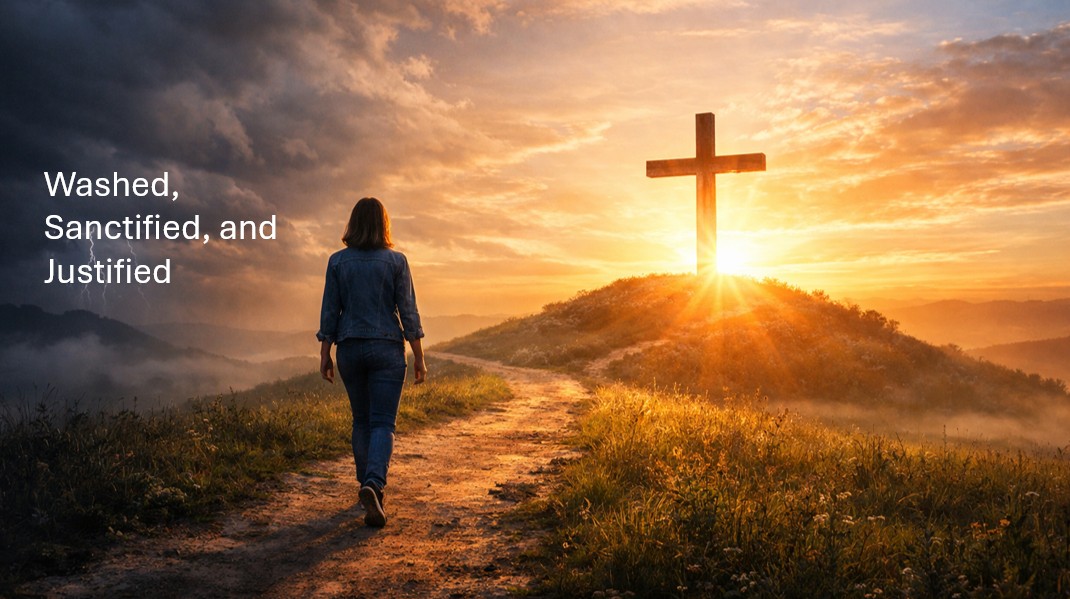
A question many people quietly ask: Will people who practice sinful lifestyles inherit the kingdom of God? Another way to ask the question: Will lesbians be in heaven? No. But let’s not stop here. Will former lesbians be in the kingdom of God? Yes. How many? All, 100%. Scripture gives a sober warning—but it also…
-
Abortion Recovery – He Knows My Name: A Song of Healing and Mercy

This post addresses the profound emotional impact of abortion on women, emphasizing their grief and longing for healing. It highlights Jesus’ compassionate presence in their journey, offering restoration without condemnation. The song serves as a message of hope for healing and prayer support, reminding women of their worth and identity in Christ. It is for…
-
Severe Mercy: When God’s Fire Heals Instead of Destroys
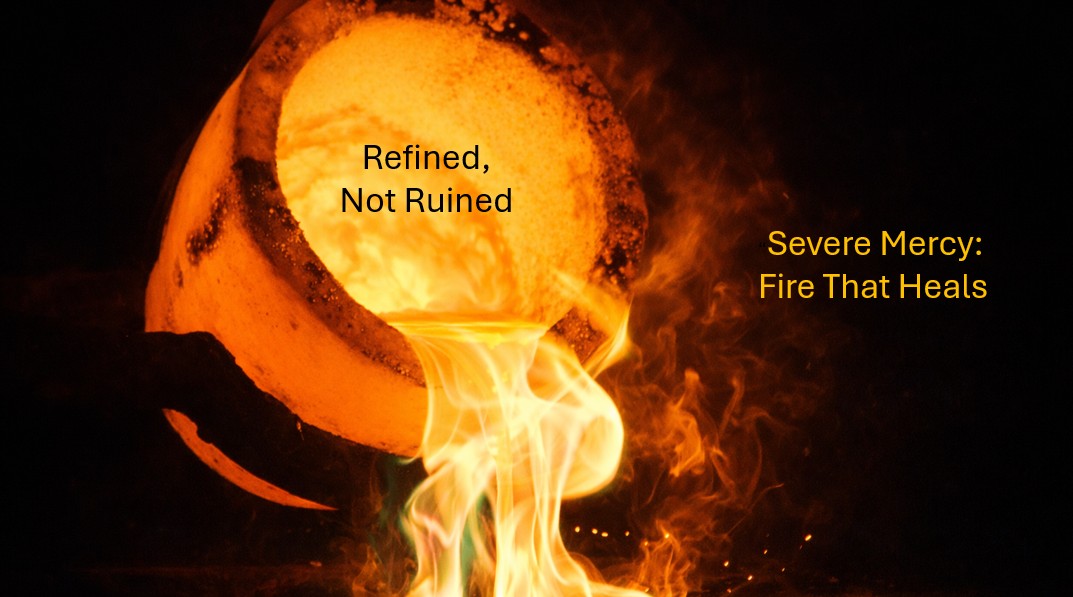
Many Christians were raised hearing that the wrath of God means endless punishment. The image often painted is one of divine anger that never ends and suffering that serves no purpose except retribution. But when we look carefully at Scripture, a different picture emerges. Throughout the Bible, God’s fire is often described not as destruction…
-
Spoiling the Egyptians: A Pattern of Redemption
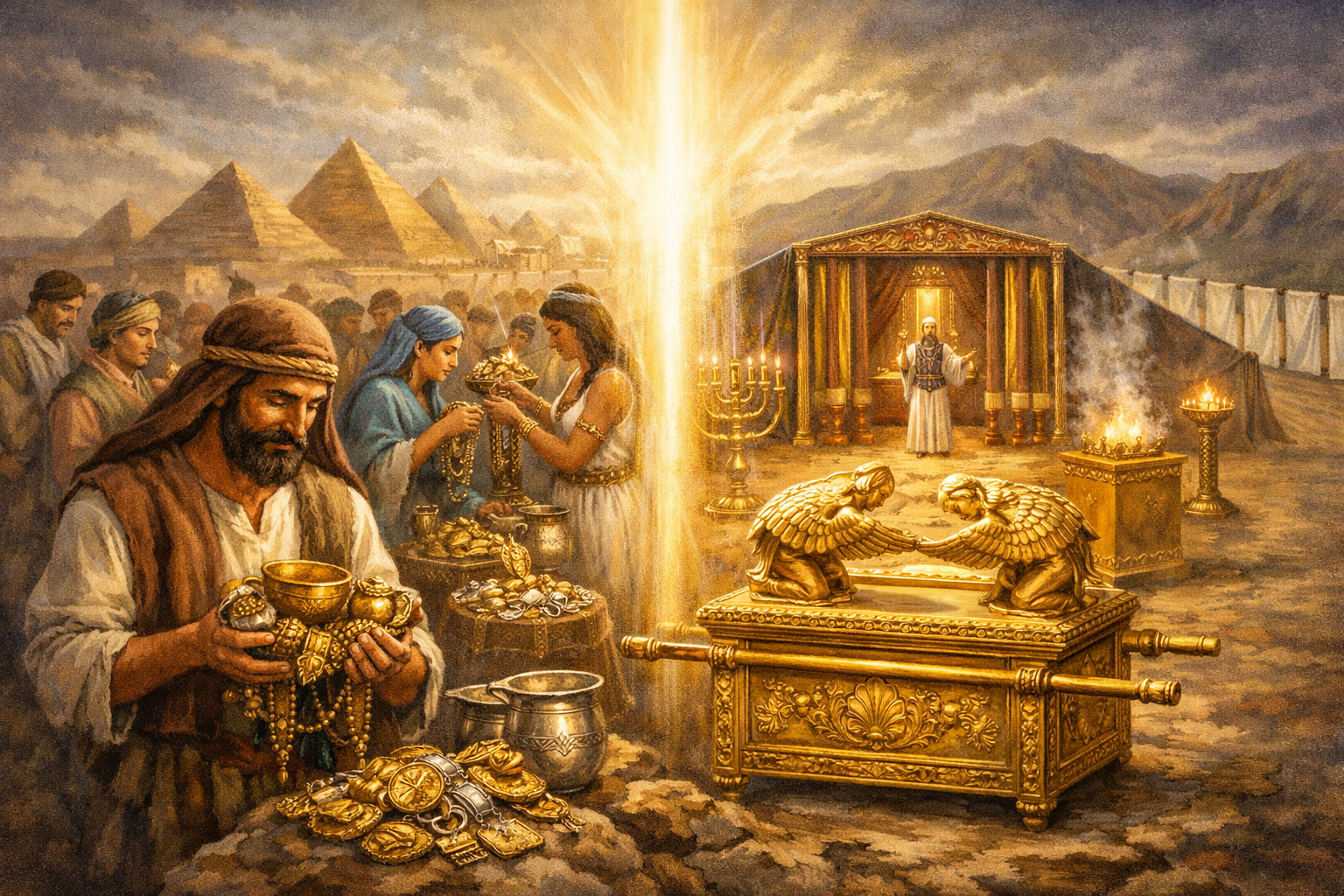
“And the LORD [Yahweh] had given the people favor in the sight of the Egyptians, so that they let them have their request. Thus they plundered the Egyptians.” Exodus 12:36. In general, the things we own reflect who we are. One of the more intriguing moments in the Exodus story occurs just before Israel leaves…
-
Infinite Punishment?

Where and when did the phrase “sin against an eternal, infinite God deserves eternal, infinite punishment” develop? Not from the Bible. The exact wording is modern, but the underlying idea developed in medieval Western theology, then was sharpened and popularized by Jonathan Edwards in the 18th century.
-
Does the concept of eternal punishment in hell cause some people to become atheists?
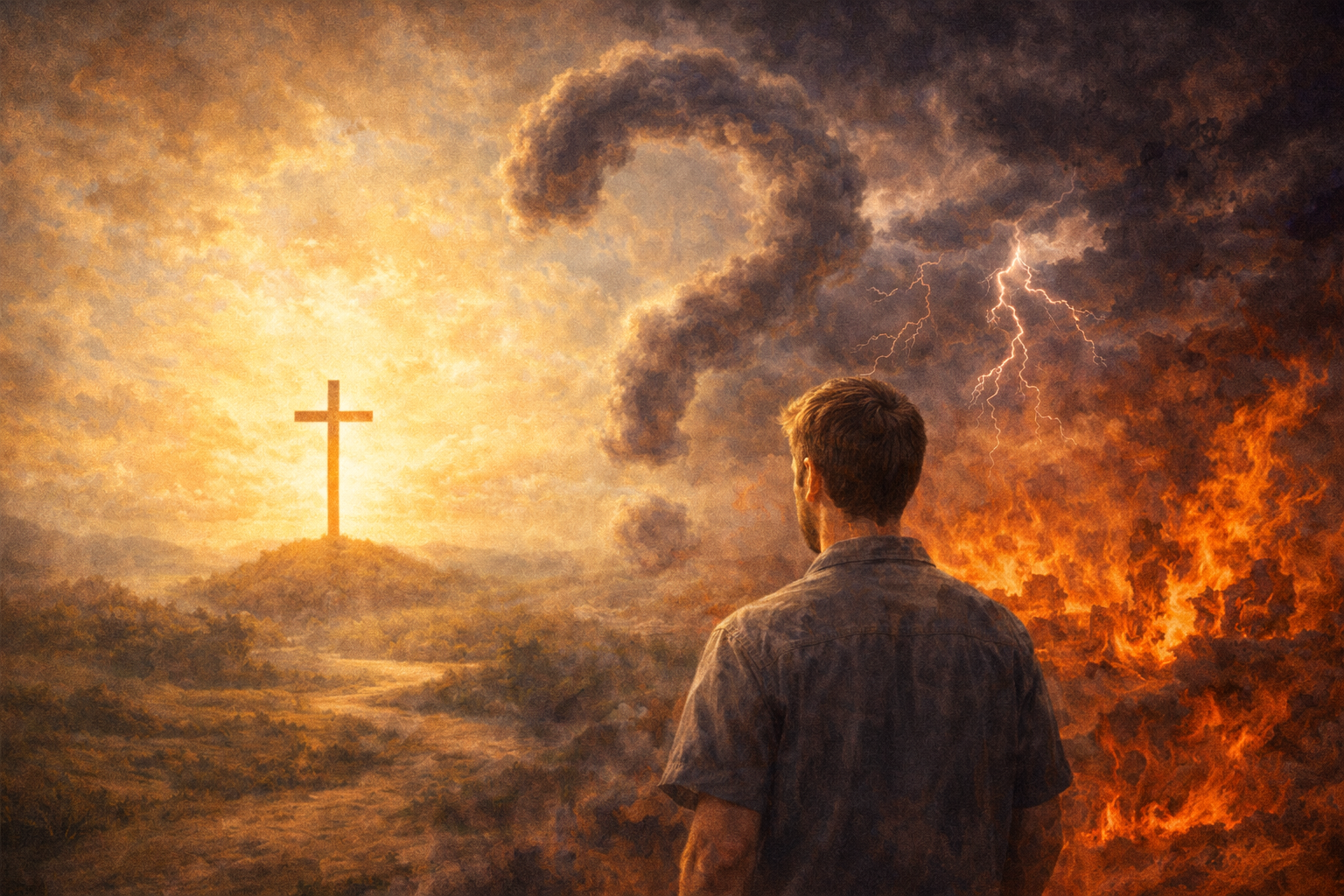
Yes, the concept of eternal punishment in hell is frequently cited as a factor that leads some people to reject theism and embrace atheism. It raises profound moral and logical objections for many, making belief in a loving God difficult. The idea of infinite torment for finite sins strikes many as unjust and disproportionate, portraying…

The Fallacy of Hell
The Lake of Fire is not what we've been taught.