-
How and When the Doctrine of Hell and Eternal Conscious Torment Developed
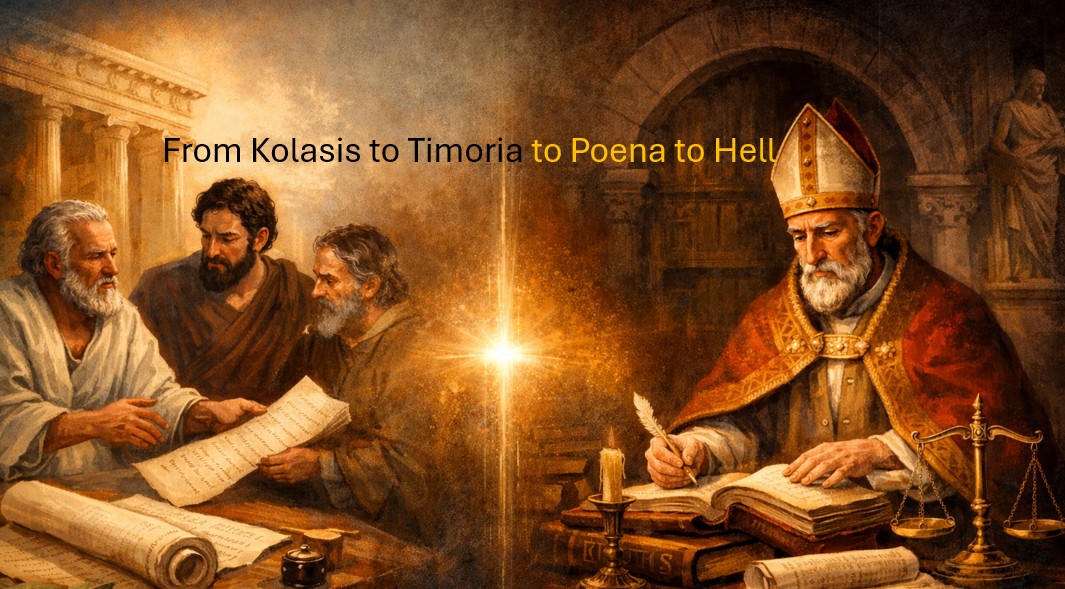
For the first few centuries of Christianity, many theologians understood God’s judgments primarily as corrective and restorative, not purely punitive. Yet by the Middle Ages, Western Christianity largely assumed that divine punishment meant endless retributive torment. What happened? The shift did not occur because new biblical texts were discovered. Instead, it emerged from a complex…
-
The Aramaic Background of Matthew 25:46: Correction, Not Retribution
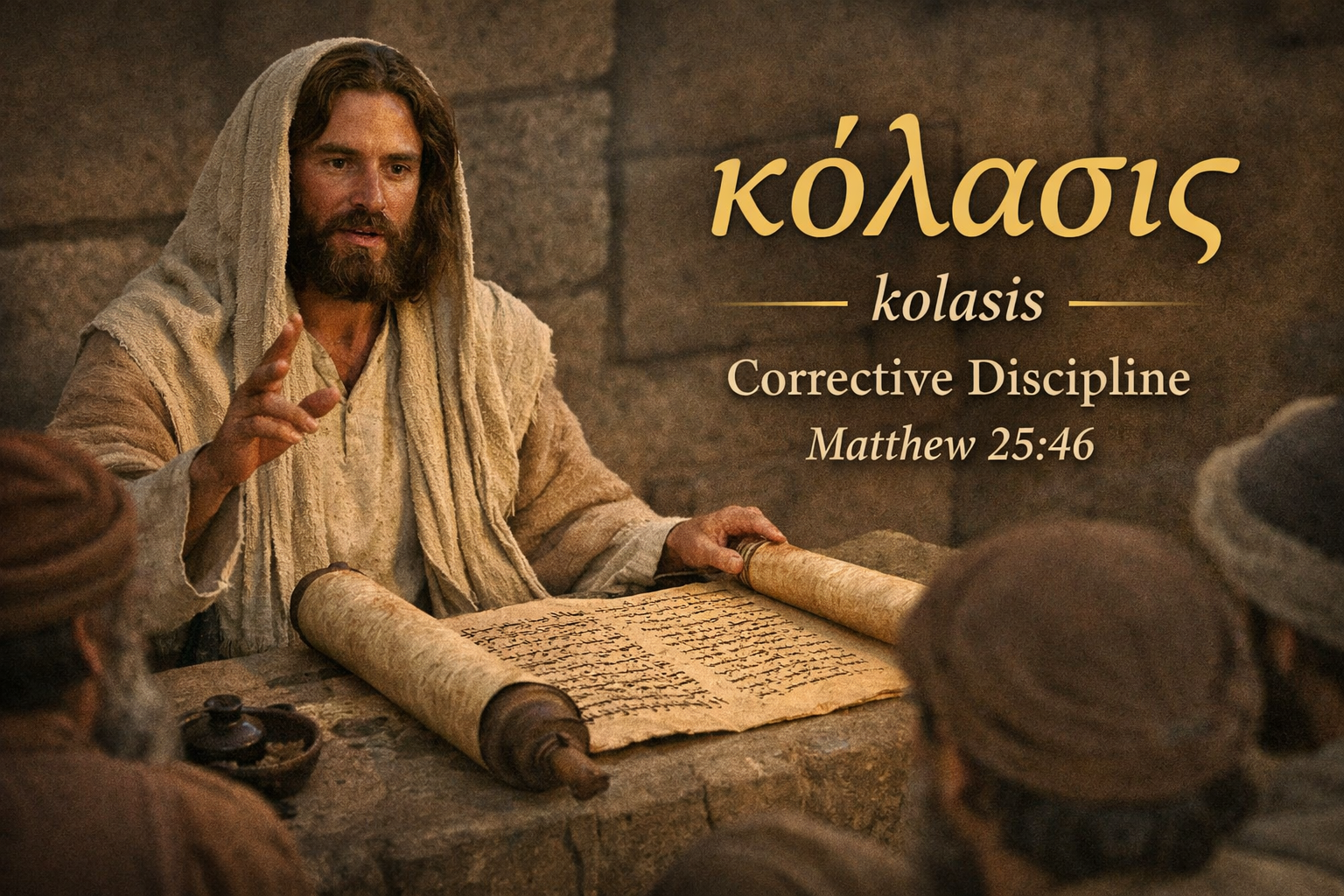
One of the most debated passages in the New Testament concerning judgment is Matthew 25:46. In many English translations it reads: “And these will go away into eternal punishment, but the righteous into eternal life.” For centuries this verse has been cited as proof of endless punishment. Yet when we examine the language behind the…
-
God Is Love: Eternal Conscious Torment or Jesus Saves All?

“God is love.”— 1 John 4:8. That little three-word sentence may be the most powerful truth in the whole Bible. Not “God has love.” Not “God shows love sometimes.” Not “God loves when we behave.” God is love. And John doubles down later: “There is no fear in love, but perfect love casts out fear…” (1 John 4:18)…
-
Predestination Ain’t Complicated: God’s Plan Was Jesus All Along
This Ain’t About Luck — It’s About God’s Plan. Folks hear the word “predestination” and think it means God picked some people and rejected the rest before anybody was born. That idea can make God seem cold and distant. But when you read the Bible closely, you see something entirely different. Predestination ain’t about God…
-
The Ransom of Mankind

Here is something that sits right at the heart of the Bible. It’s this idea that Jesus gave Himself as a ransom for all. Now, “ransom” isn’t a word we use much anymore, unless we’re watching an old Western or a crime show. But in the Bible, it’s a powerful word. It means a price…
-
Predestination – Three Views – Calvinism, Arminianism and Universalism

Article 1: Predestination in Christian Theology: A Biblical and Historical Comparison. Predestination is one of the most significant and debated doctrines in Christian theology. Rooted in Scripture and developed throughout church history, it addresses the relationship between God’s sovereignty and human salvation. Three primary interpretations have emerged within orthodox Christianity: the Calvinist view, the Arminian…
-
Predestination Reveals the Triumph of Divine Love
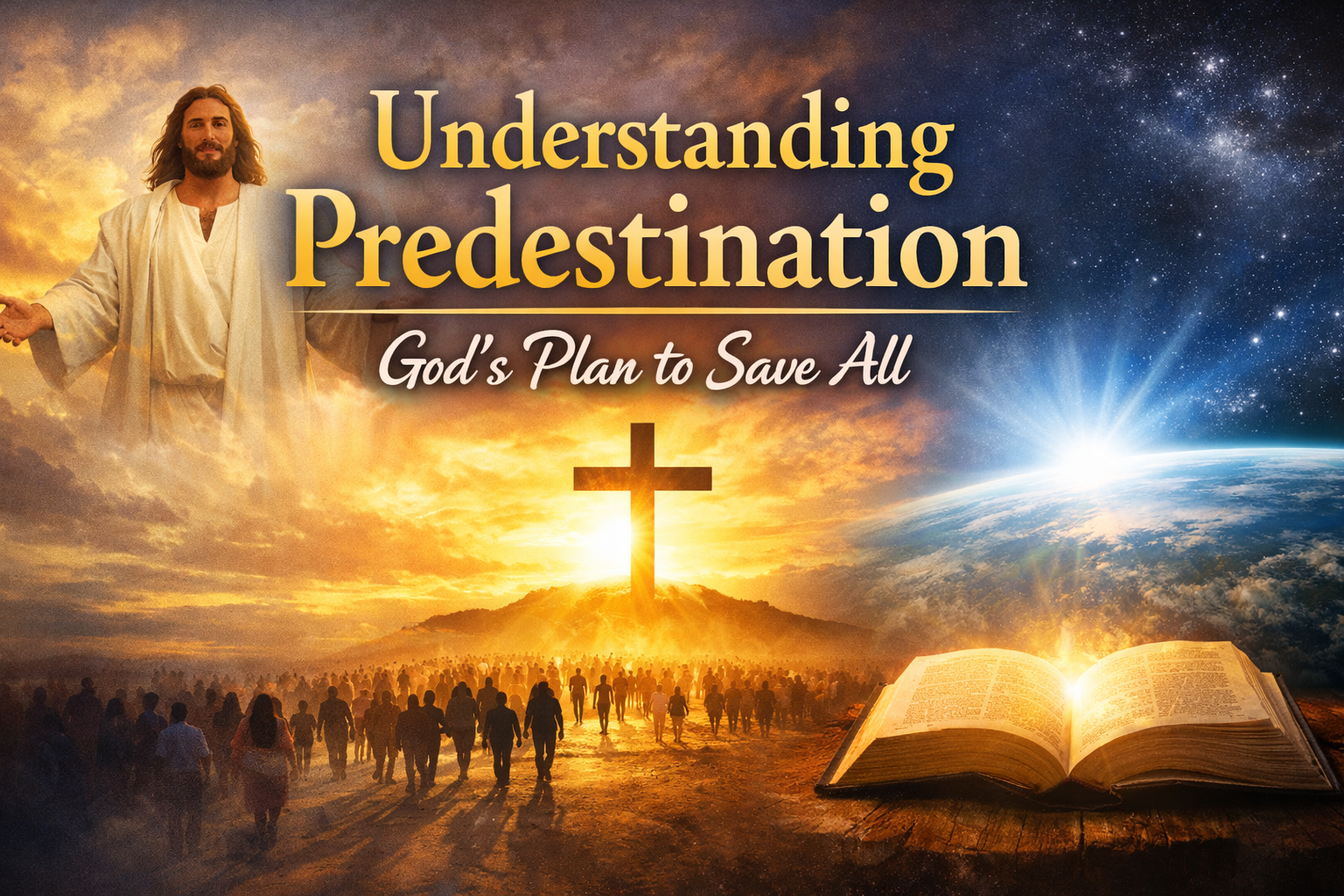
Few doctrines in Scripture have stirred as much discussion as predestination. At its heart lies a profound question: What is the ultimate scope of God’s saving purpose? Has God predestined only some for eternal salvation, and by default some to eternal torment, or does His plan in Christ ultimately include all humanity?
-
Judging Angels – Part 2 From Daniel to Jesus to Paul: How the Saints Share in God’s Judgment.

“Or do you not know that the saints will judge the world? If the world is judged by you, are you not competent to constitute the smallest law courts? Do you not know that we will judge angels? 1 Corinthians 6:2-3. The apostle Paul’s statement in this passage that believers will “judge the world” and “judge…
-
From Prostitute to Princess – Part 1 – Prostitutes enter BEFORE religious folks.
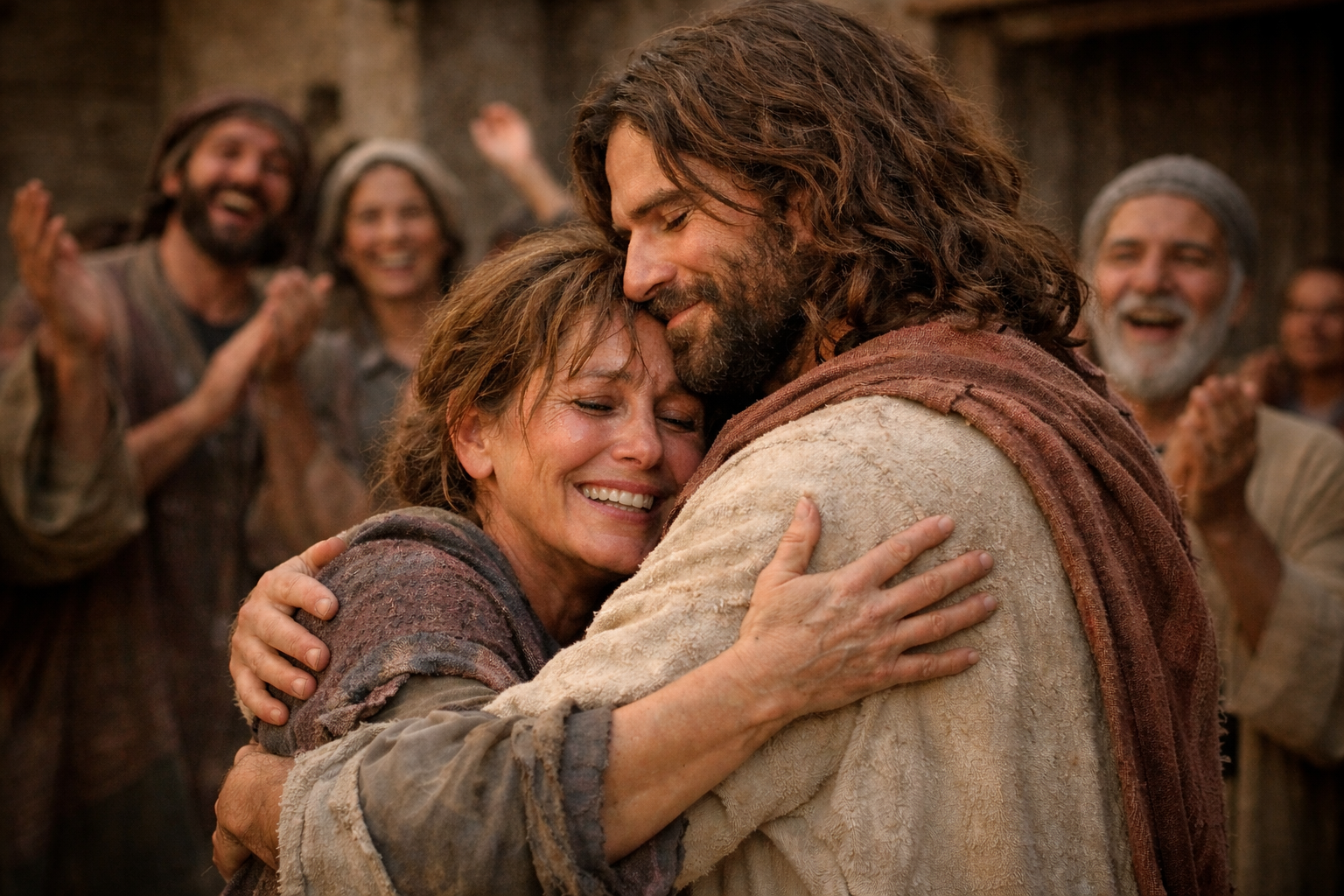
“The tax collectors and prostitutes will enter the kingdom of God before you.” Jesus, as recorded in Matthew 21:31. He does not say: “Some of them,” “A few of them,” “The best among them.” This is a huge theological signal. “The Tax Collectors and Prostitutes” — A Universal Scope He speaks of them as a…
-
From Prostitute to Princess – Part 2 – Daughter of the King
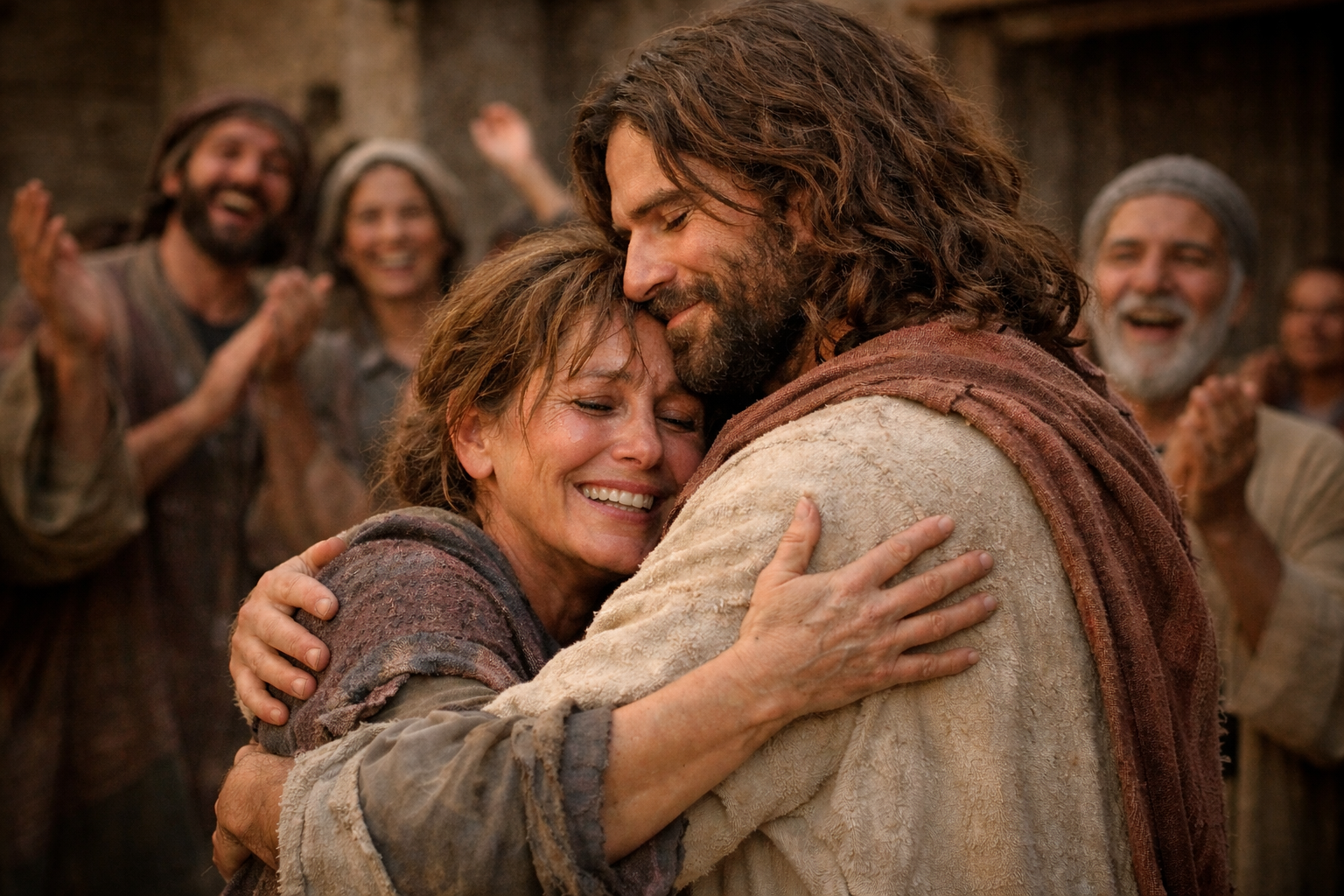
“The tax collectors and prostitutes will get into the kingdom of God before you.” A Testimony Song of Redemption and Royal Identity. In Matthew 21:31, Jesus is speaking to the chief priests and elders, the religious leaders who were respected, educated, and outwardly “righteous.” On the surface, they looked like the most spiritual people in…

The Fallacy of Hell
The Lake of Fire is not what we've been taught.