
Category: Judgment and mercy
-
Torah Portion: Deuteronomy 33:1-34:12,
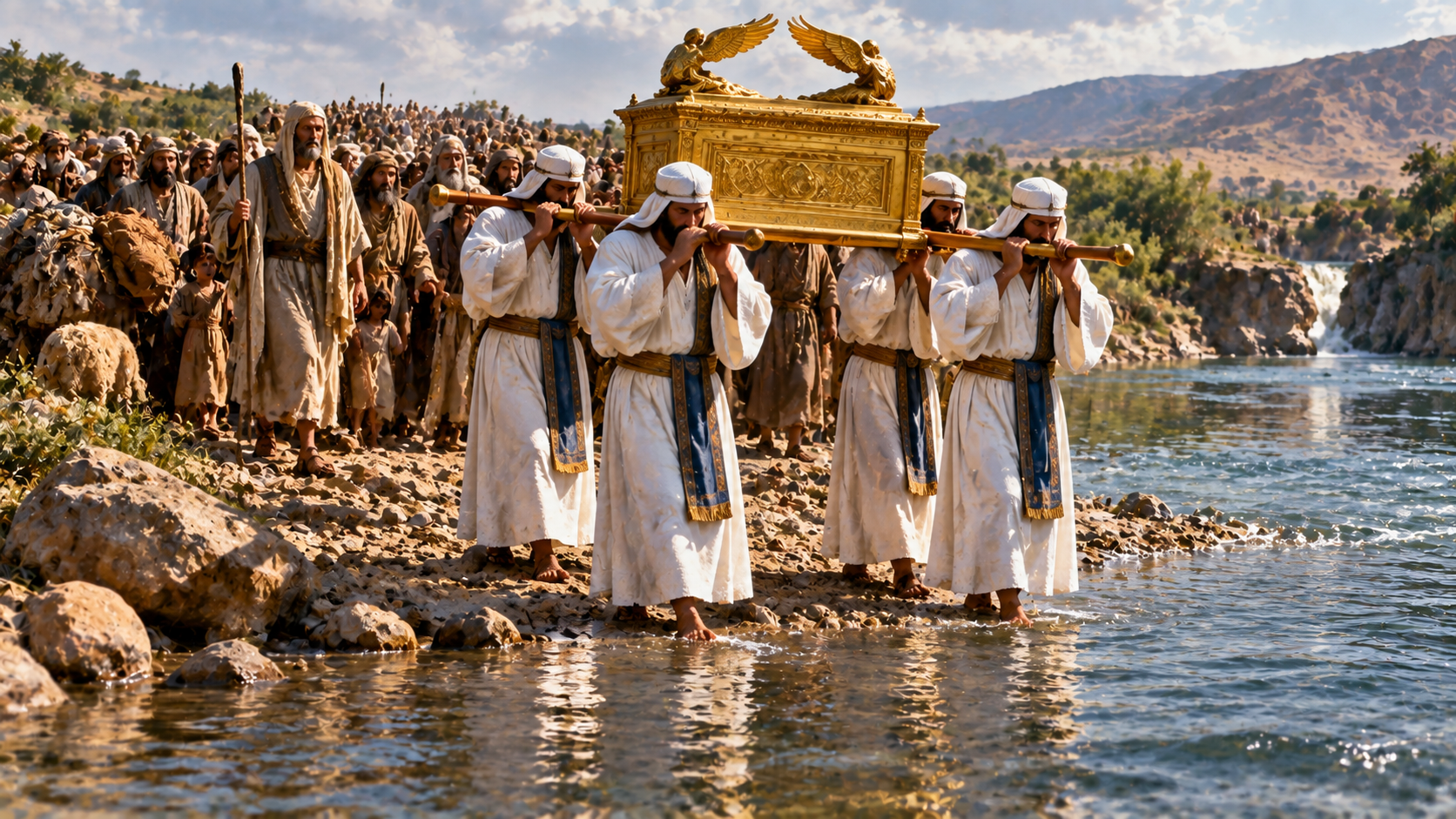
Torah Deuteronomy 33:1-34:12, Prophets Joshua 1:1-18, and Gospel Acts 1:1-14 Yeshua in the Final Torah Portion: From Moses to Joshua to the Restoration of All Things The Story Does Not End With Moses Deuteronomy 33:1–34:12 brings us to one of the most moving moments in all the Torah. Moses, the servant of Yahweh, has reached…
-
Torah Portion: Deuteronomy 32
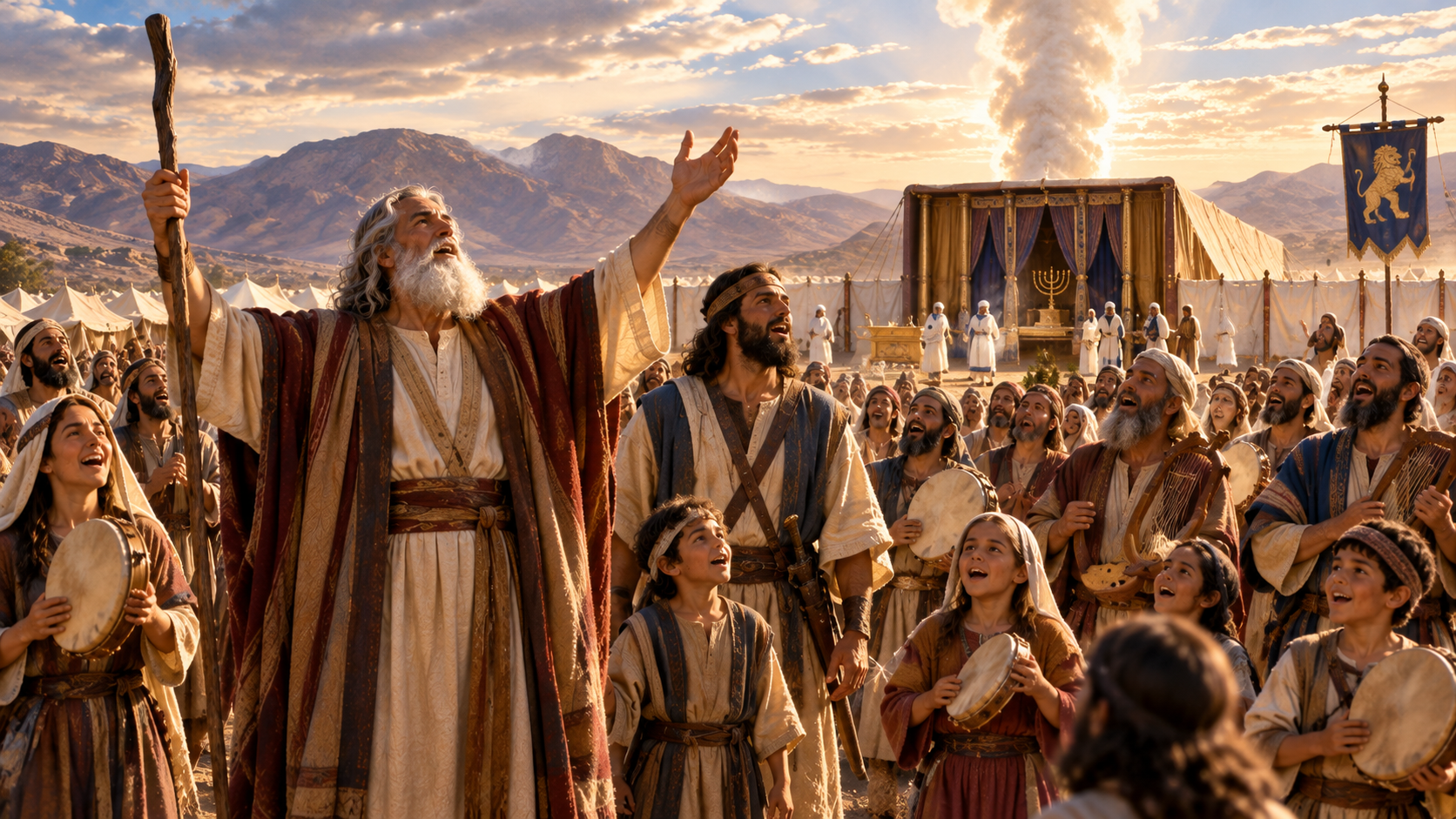
Song of Moses TORAH: Deuteronomy 32:1–52PROPHETS: Hosea 14:2–10; Joel 2:15–27GOSPEL: Matthew 18:21–35 At first glance, Deuteronomy 32, Hosea 14, Joel 2, and Matthew 18 may appear to address very different subjects. Moses sings about Israel’s rebellion and Yahweh’s judgment. Hosea pleads with Israel to return to Yahweh. Joel calls a devastated nation to repentance and…
-
Torah Portion: Deuteronomy 29:9–31:30

The Covenant, the Return, and the Restoration of All Things Beginning With Moses When Yeshua walked with the two disciples on the road to Emmaus, Luke tells us something remarkable about the way He understood the Hebrew Scriptures: “Then beginning with Moses and with all the prophets, He explained to them the things concerning Himself…
-
Torah Portion: Deuteronomy 26:1–29:8

Moses Wrote Things That Would Be Fulfilled in Yeshua In Luke 24:44, the risen Yeshua told His disciples that everything written about Him “in the Law of Moses and the Prophets and the Psalms must be fulfilled.” Deuteronomy 26:1–29:8 is especially interesting in that light. At first it may appear to contain mainly agricultural offerings,…
-
Torah Portion: Deuteronomy 16:18–21:9

If They Hear Moses, They Can Hear Yeshua In Luke 16:31, Yeshua says, “If they do not listen to Moses and the Prophets, they will not be persuaded even if someone rises from the dead.” That statement takes on remarkable significance after Yeshua Himself rises from the dead. It suggests that Moses had already supplied…
-
Torah Portion: Deuteronomy 07:12–11:25

Yeshua and Universalist Themes in Light of John 8:58 and Acts 3:21 The Great “I AM” Walking Through Deuteronomy In John 8:58, Yeshua made one of His most astonishing declarations: “Truly, truly, I say to you, before Abraham was, I AM.” With these words He identified Himself with the eternal “I AM” who revealed Himself…
-
Torah Portion: Deuteronomy 03:23-7:11

Yeshua and Universalist Themes in Light of John 1:45 and Acts 3:21 Moses Wrote of Yeshua In John 1:45, Philip joyfully announced to Nathanael, “We have found Him of whom Moses in the Law and also the Prophets wrote—Yeshua of Nazareth, the son of Joseph.” This declaration reveals that the Torah is ultimately a testimony…
-
Torah Portion: Numbers 19-25:9 Yeshua, Our Red Heifer

“Now He said to them, ‘These are My words which I spoke to you while I was still with you, that all things which are written about Me in the Law of Moses and the Prophets and the Psalms must be fulfilled.’” Luke 24:44 When Yeshua spoke as recorded in Luke 24:44 “that all things…
-
Torah Portion: Numbers 13-15 and Universal Restoration

When Jesus declared in John 5:46, “If you believed Moses, you would believe Me, for he wrote of Me,” He revealed that the writings of Moses contain far more than historical accounts and legal instructions. Beneath the surface are prophetic patterns, types, and shadows that ultimately point to Christ. This is especially true in Numbers…
-
Severe Mercy: When God’s Fire Heals Instead of Destroys

Many Christians were raised hearing that the wrath of God means endless punishment. The image often painted is one of divine anger that never ends and suffering that serves no purpose except retribution. But when we look carefully at Scripture, a different picture emerges. Throughout the Bible, God’s fire is often described not as destruction…