-
Judging Angels – Part 1 “Do you not know that we will judge angels?”

“Or do you not know that the saints will judge the world? If the world is judged by you, are you not competent to constitute the smallest law courts? Do you not know that we will judge angels? 1 Corinthians 6:2-3 In the First Epistle to the Corinthians 6:2–3, the apostle Paul makes a striking statement:…
-
Judging Angels – Part 4 From Creation to Kingdom: How God’s People Share in His Judgment and Reign

“Do you not know that the saints will judge the world?… Do you not know that we will judge angels?” In 1 Corinthians 6:2–3 the apostle Paul makes a remarkable statement: “Do you not know that the saints will judge the world?… Do you not know that we will judge angels?” For many readers, these…
-
Judging Angels – Part 3B Another way of viewing Part 3A

“Or do you not know that the saints will judge the world? If the world is judged by you, are you not competent to constitute the smallest law courts? Do you not know that we will judge angels? 1 Corinthians 6:2-3 When Scripture speaks of believers judging the world and even angels, it is not introducing…
-
Judging Angels – Part 3A From Creation to Christ: Dominion Restored in Genesis, Psalm 8, and the Kingdom of God

“Or do you not know that the saints will judge the world? If the world is judged by you, are you not competent to constitute the smallest law courts? Do you not know that we will judge angels? 1 Corinthians 6:2-3 The Bible’s teaching that believers will share in Christ’s reign does not begin with Daniel,…
-
God’s Mercy and Judgment: How They Work Together

Discover how God’s mercy and judgment work together in the Bible through the prophets and Revelation, revealing His purpose to heal, restore, and redeem humanity. “For the LORD (YAHWEH) is our judge …; He will save us”Isaiah 33:22 One of the most common questions Christians ask is how a God of mercy can also be…
-
God’s Mercy and Judgment: How They Work Together – Down-to-Earth version

“For the LORD (YAHWEH) is our judge …; He will save us” Isaiah 33:22. A lot of folks wonder: How can God be loving and still judge people?” That’s a fair question. But the Bible tells us straight up: God is love.” — 1 John 4:8. So …?
-
The Wrath of God
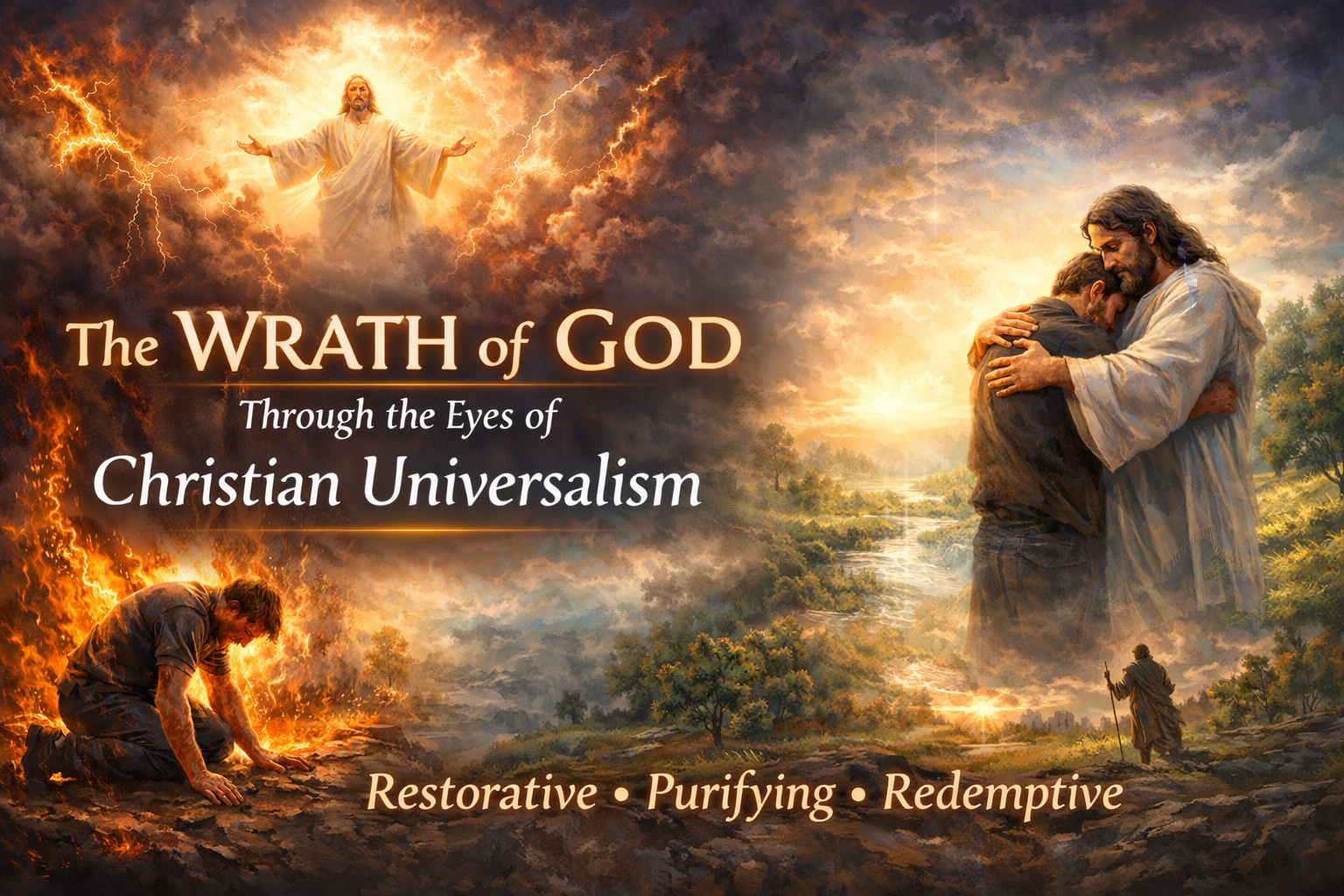
For many believers, the phrase “the wrath of God” evokes images of divine anger, judgment, and everlasting punishment. In much of popular theology, wrath is understood primarily as retributive—God inflicting eternal suffering upon sinners. And little wonder as a dictionary definition of our word wrath is “forceful, often vindictive anger, punishment or vengeance as a…
-
Children of God – Part 3: Understanding of the Early Church Fathers
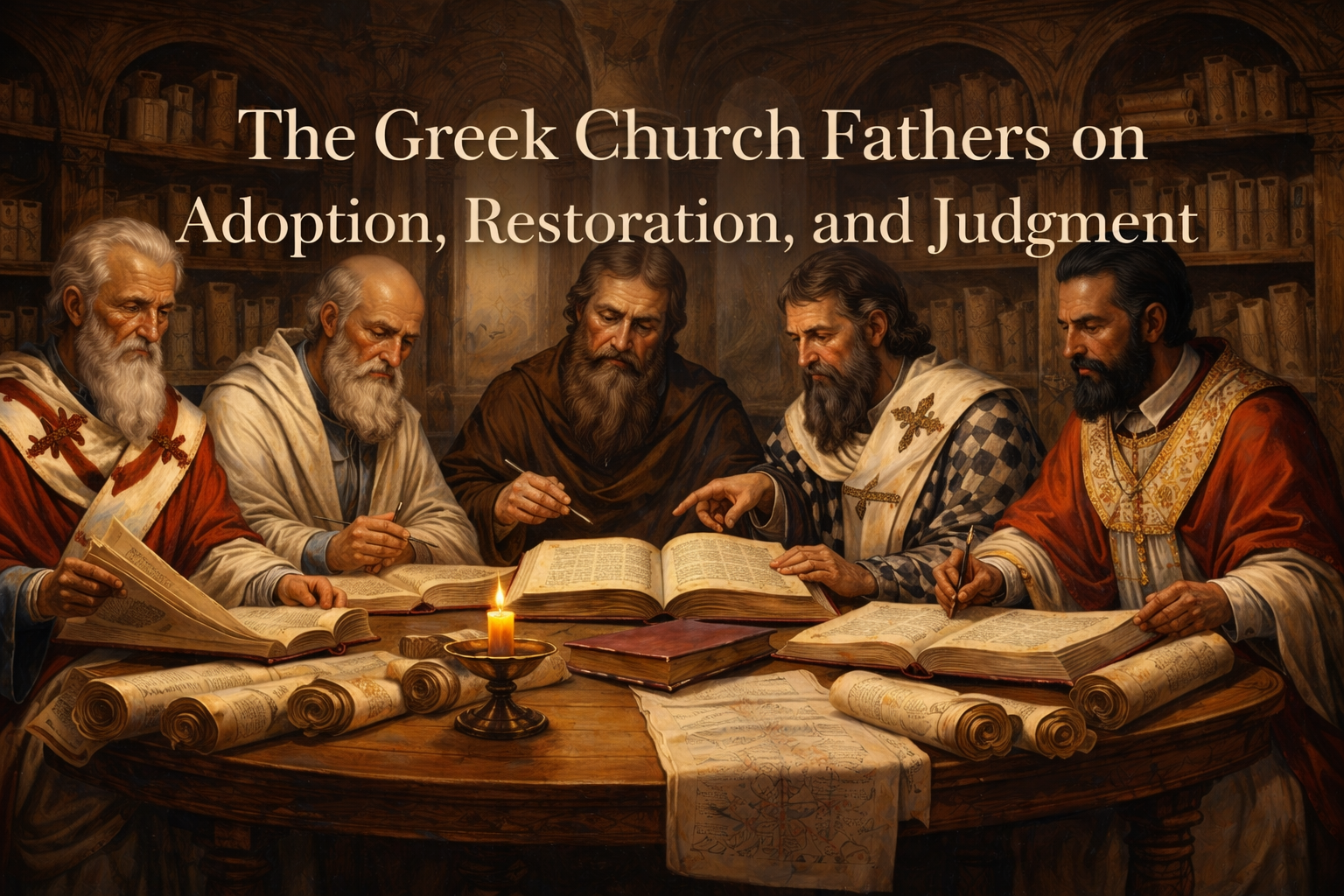
And How the Early Greek Fathers Harmonized John and Paul Without Eternal Torment The earliest Greek-speaking Church Fathers approached Scripture within a theological framework shaped by creation, incarnation, and restoration. Long before later Western debates about eternal punishment hardened into rigid systems, these theologians read John and Paul as presenting a unified vision of humanity’s…
-
Children of God – Part 2:“Your Father the Devil” in John 8 and the Language of Spiritual Allegiance

Jesus’ statement in John 8:44—“You are of your father the devil”—is frequently interpreted as a declaration that certain people are ontologically (the essence or the nature of being) descended from Satan rather than from God. This reading, however, misunderstands the biblical use of “fatherhood” language. In Scripture, “father” often denotes moral resemblance, allegiance, and behavioral…
-
Children of God – Part 1: Paul’s Adoption Language and Creational Sonship

The Apostle Paul’s use of “adoption” language has often been interpreted as implying that human beings become God’s children only after conversion. Yet a careful reading of Paul’s letters reveals a different picture. For Paul, adoption does not create sonship out of nothing; rather, it restores, formalizes, and glorifies a relationship that already exists by…

The Fallacy of Hell
The Lake of Fire is not what we've been taught.