
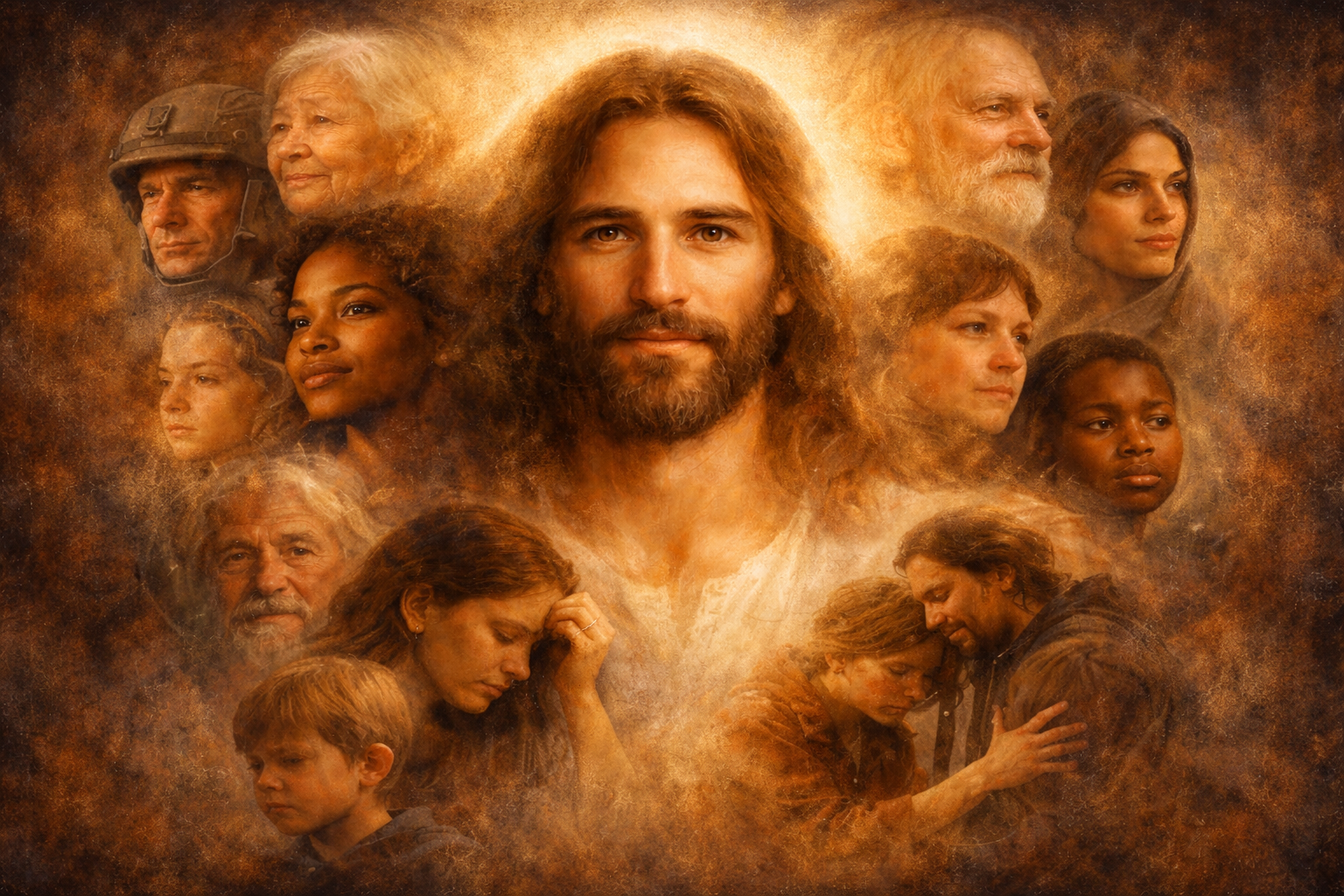
Reflections of a Tomboy Grandma: On the Immeasurable Worth of Every Human Being, by Diane Perkins Castro — A Summary
The Life-Changing Truth About Every Human Being.
What is the most fundamental fact of our human existence?
According to Reflections of a Tomboy Grandma, it is this:
Every human being is created in the image of God—and therefore has immeasurable worth.
That one truth is not just theological—it is transformational. It reshapes how we see ourselves, how we understand God, and how we treat every person we encounter.
This book is not a dry theological textbook. It is a collection of about 60 short, engaging essays—each one exploring how this single truth touches every corner of life: joy, suffering, relationships, grief, purpose, and love.
And taken together, they form a powerful message:
👉 If we truly believed every person bears God’s image, it would change everything.
The Image of God: A Truth We Say but Rarely Live
Many people have heard the phrase “created in the image of God.” But this book presses a deeper question:
Do we actually live like we believe it?
If every person reflects God in some way, then:
- No one is disposable
- No one is “less than”
- No one is beyond love
- No one is beyond hope
This includes:
- The difficult person
- The broken person
- The person we disagree with
- Even the person we consider an enemy
The book gently but firmly exposes a disconnect:
👉 We affirm human worth in theory—but often deny it in practice. And that gap shows up most clearly in how we treat others.
Seeing Ourselves Correctly
One of the first implications of being made in God’s image is how we view ourselves. Many people live with:
- Shame
- Self-rejection
- Feelings of worthlessness
- A sense that they don’t matter
This book pushes back against that lie.
You are not an accident
You are not a mistake
You are not defined by your worst moment.
You bear the image of God. That means your life has meaning—even when it feels ordinary, painful, or overlooked. But the book doesn’t stop at comfort—it also calls for responsibility. If we bear God’s image, then:
👉 We are called to reflect His character—love, truth, patience, justice, respect and mercy.
Understanding God’s Character
Another major theme throughout the essays is what God is actually like.
Rather than presenting God as distant, harsh, or unpredictable, Diane Castro emphasizes:
- God is personal
- God is relational
- God is purposeful
- God is deeply invested in humanity
If humans bear His image, then His nature must be reflected—at least in part—in:
- Love
- Compassion
- Justice
- Mercy
- Faithfulness
This has huge implications. It means God is not indifferent to suffering. He is not careless with human lives. He is not disconnected from our struggles. Instead:
👉 God is actively working in the world—and in people’s lives—for good.
How We Treat Others: The Real Test
If there is one place this truth becomes unmistakably practical, it is here:
How do we treat other people? The book repeatedly brings readers back to this question. If every person is made in God’s image, then:
- Every interaction matters
- Every relationship carries weight
- Every person deserves dignity
This applies across every category of life:
- Family relationships
- Friendships
- Work environments
- Church communities
- Even conflicts and rivalries
The book highlights something many Christians overlook: You cannot claim to love God while devaluing people made in His image. This includes:
- The overlooked
- The inconvenient
- The misunderstood
- The hurting
Even those who oppose us.
Faith That Actually Works in Real Life
One of the strengths of this book is that it avoids what we might call “theology in a vacuum.” These essays are not abstract—they are grounded in real life. Through stories and reflections, the author shows how truth plays out in:
- Parenting
- Marriage
- Friendship
- Ministry
- Work
- Suffering
- Loss
This makes the message both relatable and convicting. It’s not just: “Here’s what to believe.” It’s: “Here’s how to live.”
Hope for the Disillusioned
This book speaks directly to several kinds of readers:
1. Those turned off by Christianity
If you’ve seen hypocrisy, judgment, or lack of love, the book acknowledges that reality—but offers a better vision:
👉 This is how Christians should live.
2. Those who feel spiritually worn out
If your faith has grown cold, confusing, or unsatisfying, this book offers something deeply needed:
👉 Hope that God is still real—and still good.
3. Comfortable Christians
If you think you’re doing fine, the book gently confronts areas where you may be falling short of living out the truth you profess.
The Power of Story
Many of the essays include real-life examples of people from all walks of life:
- Individuals with disabilities
- Veterans
- Athletes
- Victims of suffering
- Refugees
- Families
- Friends
- Strangers
By naming real people and telling real stories, the book reinforces its central claim: Every person you meet is someone of profound, God-given value.
Not in theory.
Not in abstraction.
But in reality.
Suffering, Grief, and the Deeper Questions of Life
The book does not ignore pain. It addresses:
- Grief
- Loss
- Death
- Suffering
But it frames them in light of human worth and God’s character. Even in suffering:
- Life still has meaning
- People still have value
- God is still present
This perspective doesn’t remove pain—but it gives it context.
A Call to Live Differently
Ultimately, this book is not just informational—it is transformational. It calls readers to:
- See people differently
- Speak differently
- Act differently
- Love differently
Not based on emotions—but based on truth. Because if every person bears God’s image, then every moment becomes an opportunity to reflect God’s love.
And, Don’t Forget
Ladies, you were made, created, or “birthed” by a king, The King of Kings, the King of the Universe Himself, with, of course, a little help from your dad and mom. And that makes you? A daughter of the King, a Princess.
And men? A son of a King, THE King. You are a prince.
Therefore, once we reunite with our Creator by the blood of Jesus, are born again, we can act like who we are – people of immeasurable worth.
When it comes to our enemies, to murderers, rapists, child molesters, and warmongers this is very difficult to grasp. Therefore, our question: can we trust Jesus to someway work all of this out with His refinement and correction of each person so that the justice needs of everyone are met and relationships are restored? Is anything too difficult for Him?
Can we trust Him?
Conclusion: Don’t Miss This
Take this one truth with you:
Every human being who has ever lived is created in the image of God and has immeasurable worth.
If we truly believed that:
- Our relationships would change
- Our churches would change
- Our culture would change
- Our lives would change
And maybe most importantly:
👉 We would change.
And here is a song reflecting our value, the value of all of mankind, past, present and future:
Leave a Reply