Tag: Christian Universalism
-
Torah Portion – Numbers 13-15 and Universal Restoration

When Jesus declared in John 5:46, “If you believed Moses, you would believe Me, for he wrote of Me,” He revealed that the writings of Moses contain far more than historical accounts and legal instructions. Beneath the surface are prophetic patterns, types, and shadows that ultimately point to Christ. This is especially true in Numbers…
-
Slavery – Opposed or Condoned by the Bible?

This is an issue which has been and is hotly debated and discussed by Christians, and by examining the Biblical verses on Slavery we can see how there can be several differing positions. The main views of how Christian apologists explain these passages are as follows: View 1: Slavery in the Bible was different (more…
-
The Aramaic Background of Matthew 25:46: Correction, Not Retribution
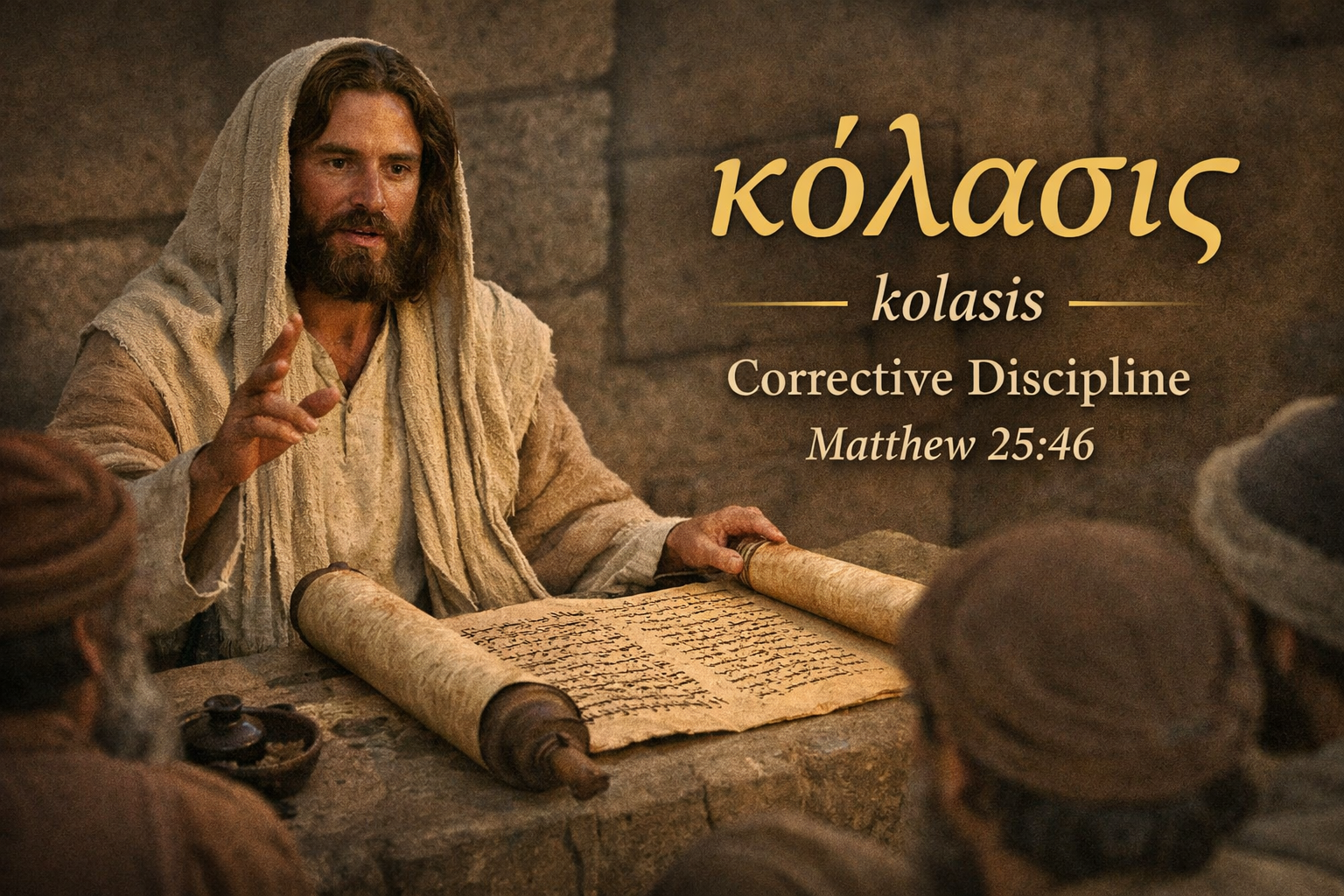
One of the most debated passages in the New Testament concerning judgment is Matthew 25:46. In many English translations it reads: “And these will go away into eternal punishment, but the righteous into eternal life.” For centuries this verse has been cited as proof of endless punishment. Yet when we examine the language behind the…
-
God Is Love: Eternal Conscious Torment or Jesus Saves All?
“God is love.”— 1 John 4:8. That little three-word sentence may be the most powerful truth in the whole Bible. Not “God has love.” Not “God shows love sometimes.” Not “God loves when we behave.” God is love. And John doubles down later: “There is no fear in love, but perfect love casts out fear…” (1 John 4:18)…
-
The Wrath of God Through the Eyes of Christian Universalism
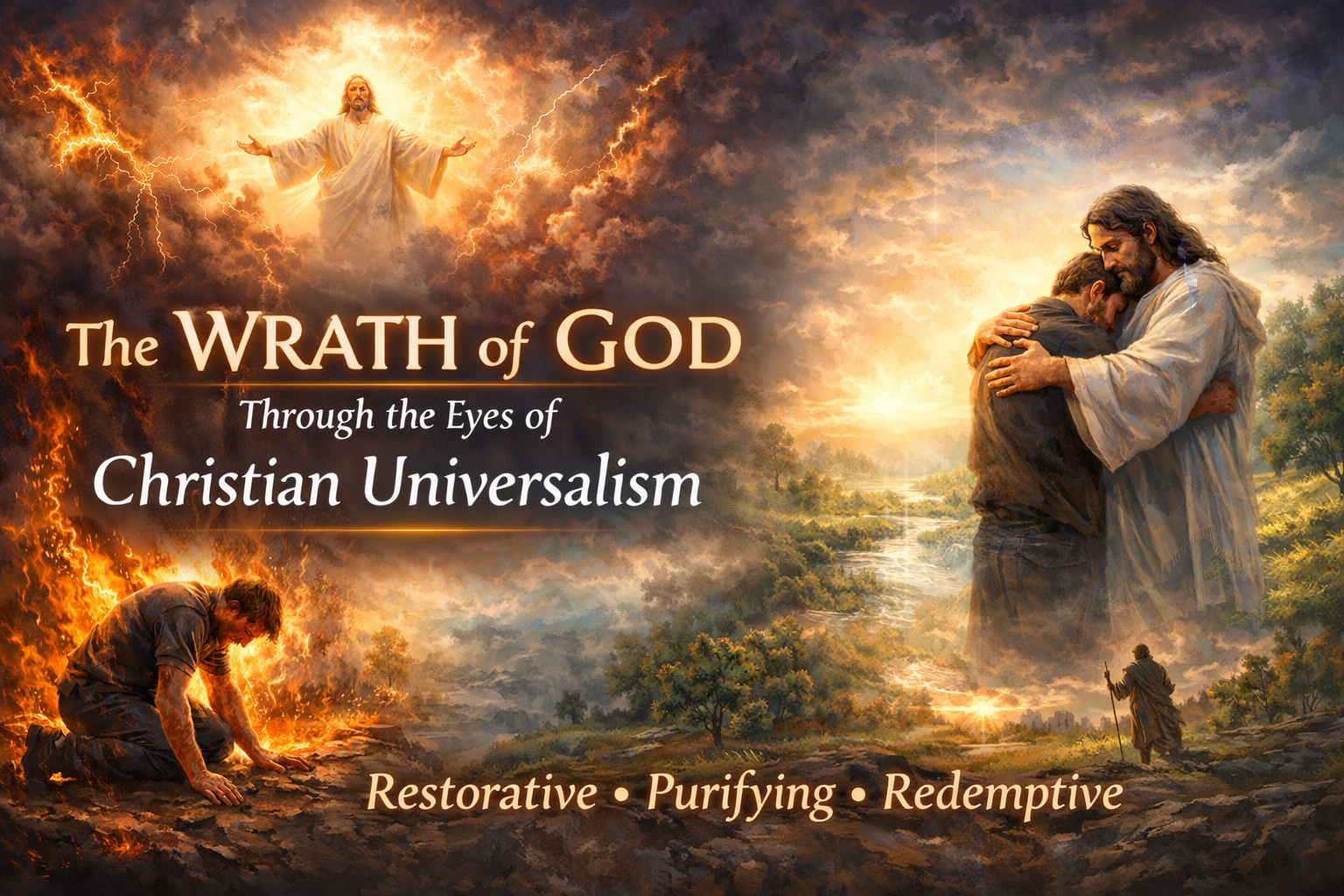
For many believers, the phrase “the wrath of God” evokes images of divine anger, judgment, and everlasting punishment. In much of popular theology, wrath is understood primarily as retributive—God inflicting eternal suffering upon sinners. Christian universalism, however, offers a very different reading. From this perspective, God’s wrath is not opposed to His love but is…
-
Children of God – Part 3: Understanding of the Early Church Fathers
And How the Early Greek Fathers Harmonized John and Paul Without Eternal Torment The earliest Greek-speaking Church Fathers approached Scripture within a theological framework shaped by creation, incarnation, and restoration. Long before later Western debates about eternal punishment hardened into rigid systems, these theologians read John and Paul as presenting a unified vision of humanity’s…