Category: Character of God
-
Predestination Ain’t Complicated: God’s Plan Was Jesus All Along
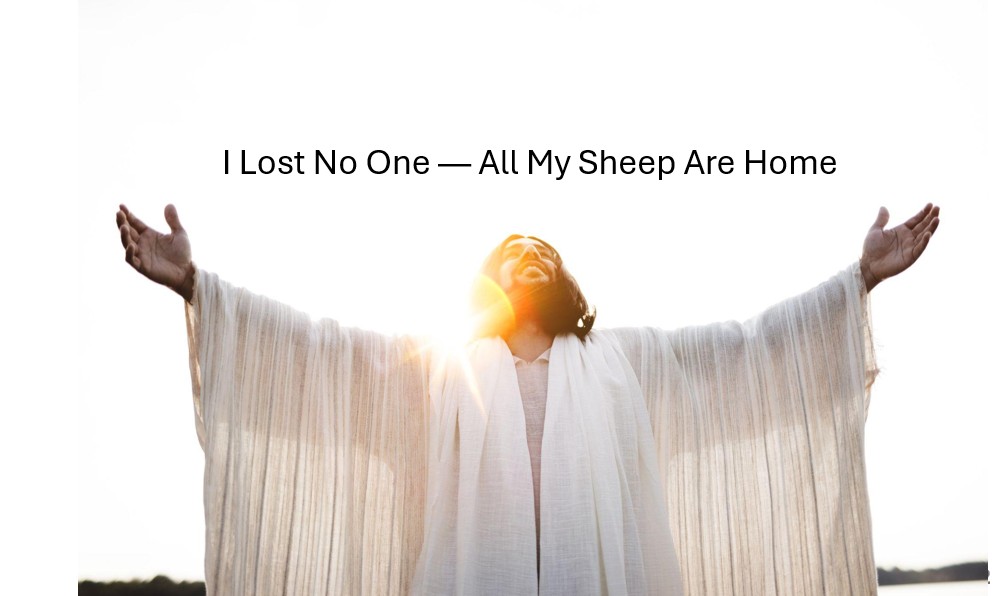
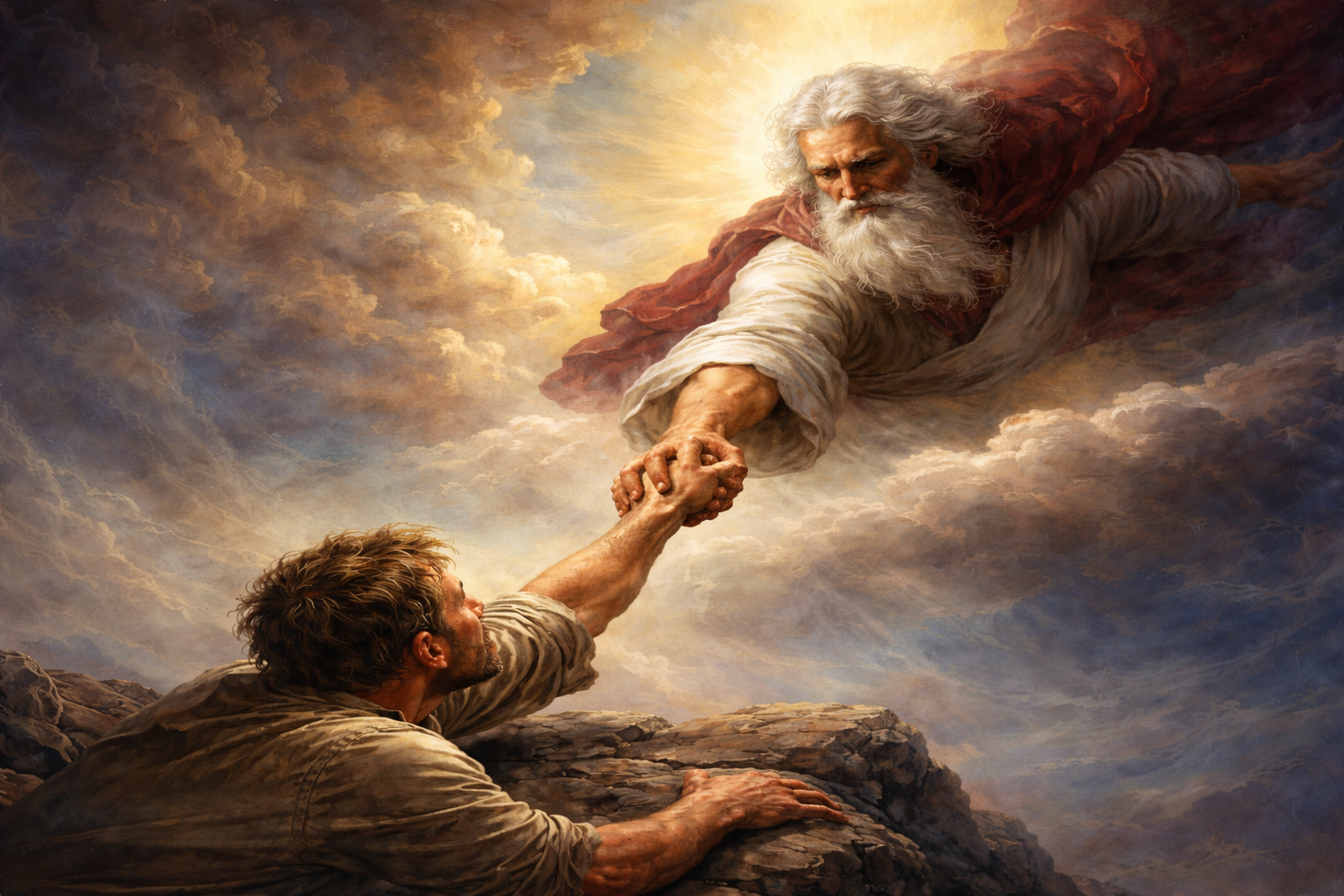
This Ain’t About Luck — It’s About God’s Plan. Folks hear the word “predestination” and think it means God picked some people and rejected the rest before anybody was born. That idea can make God seem cold and distant. But when you read the Bible closely, you see something entirely different. Predestination ain’t about God…
-
God’s Mercy and Judgment: How They Work Together – Down-to-Earth version
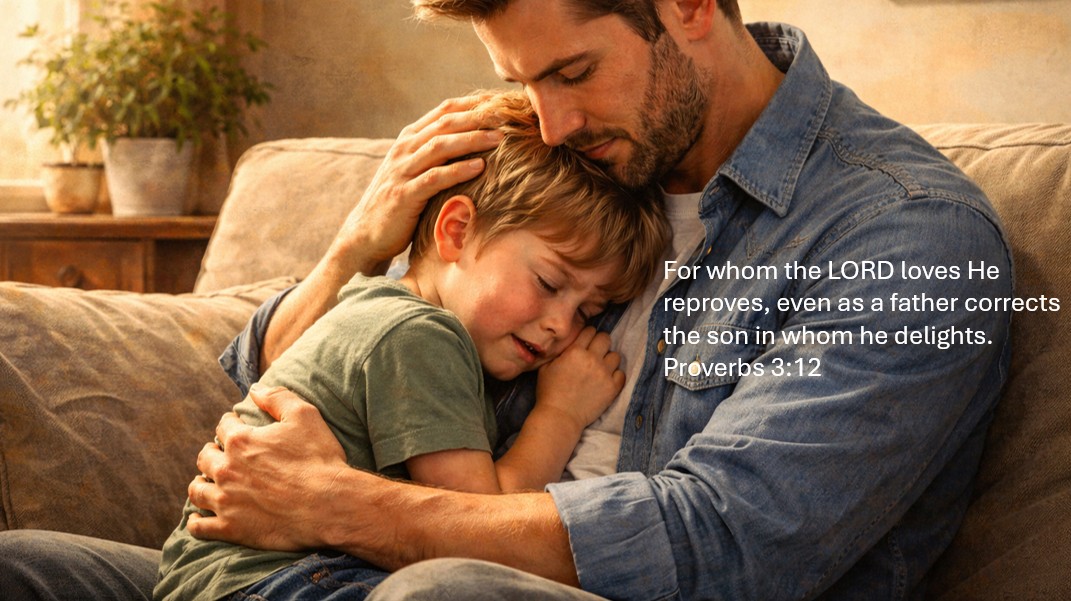
“For the LORD (YAHWEH) is our judge …; He will save us” Isaiah 33:22. A lot of folks wonder: How can God be loving and still judge people?” That’s a fair question. But the Bible tells us straight up: God is love.” — 1 John 4:8. So …?
-
The Wrath of God
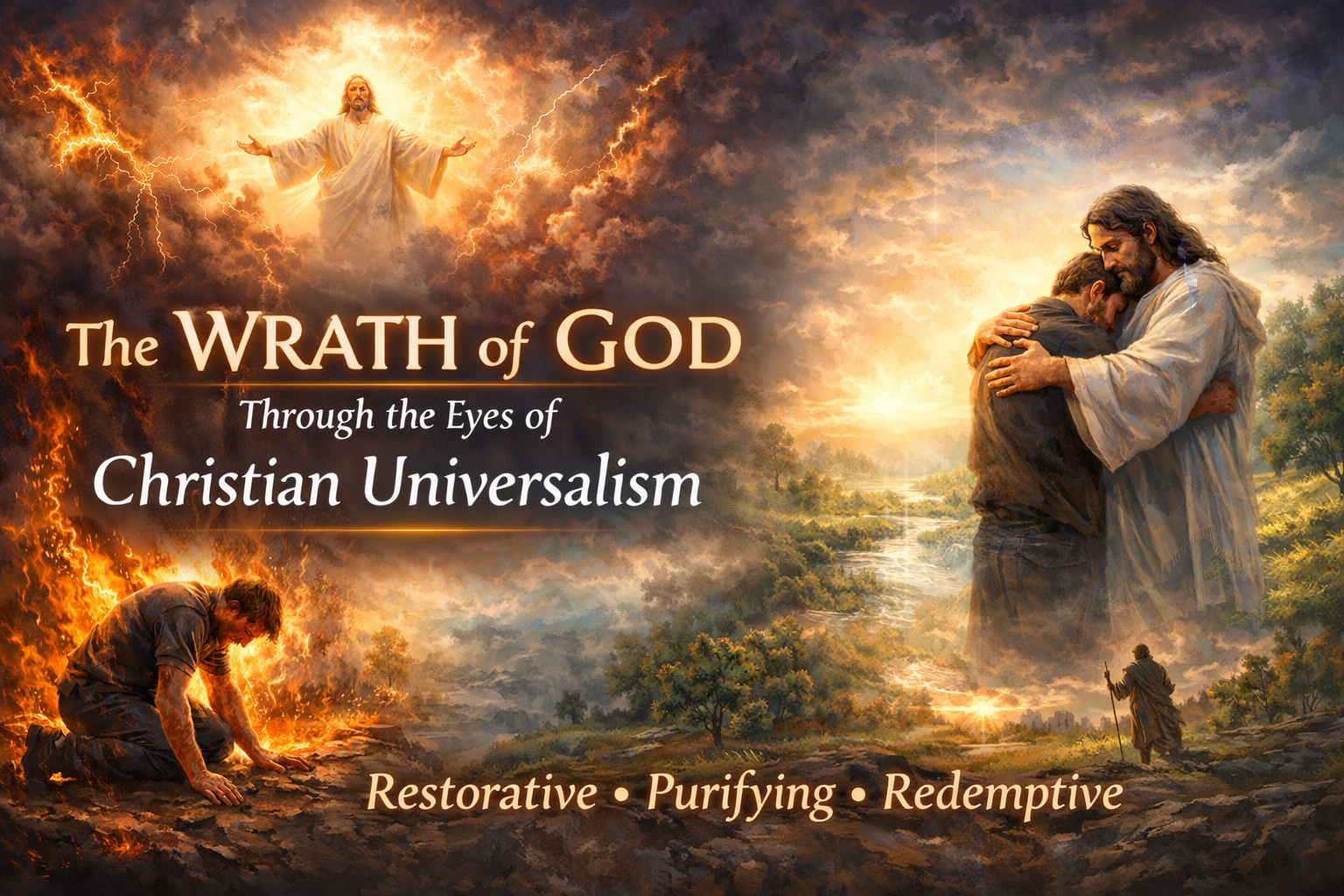
For many believers, the phrase “the wrath of God” evokes images of divine anger, judgment, and everlasting punishment. In much of popular theology, wrath is understood primarily as retributive—God inflicting eternal suffering upon sinners. And little wonder as a dictionary definition of our word wrath is “forceful, often vindictive anger, punishment or vengeance as a…
-
Children of God – Part 1: Paul’s Adoption Language and Creational Sonship
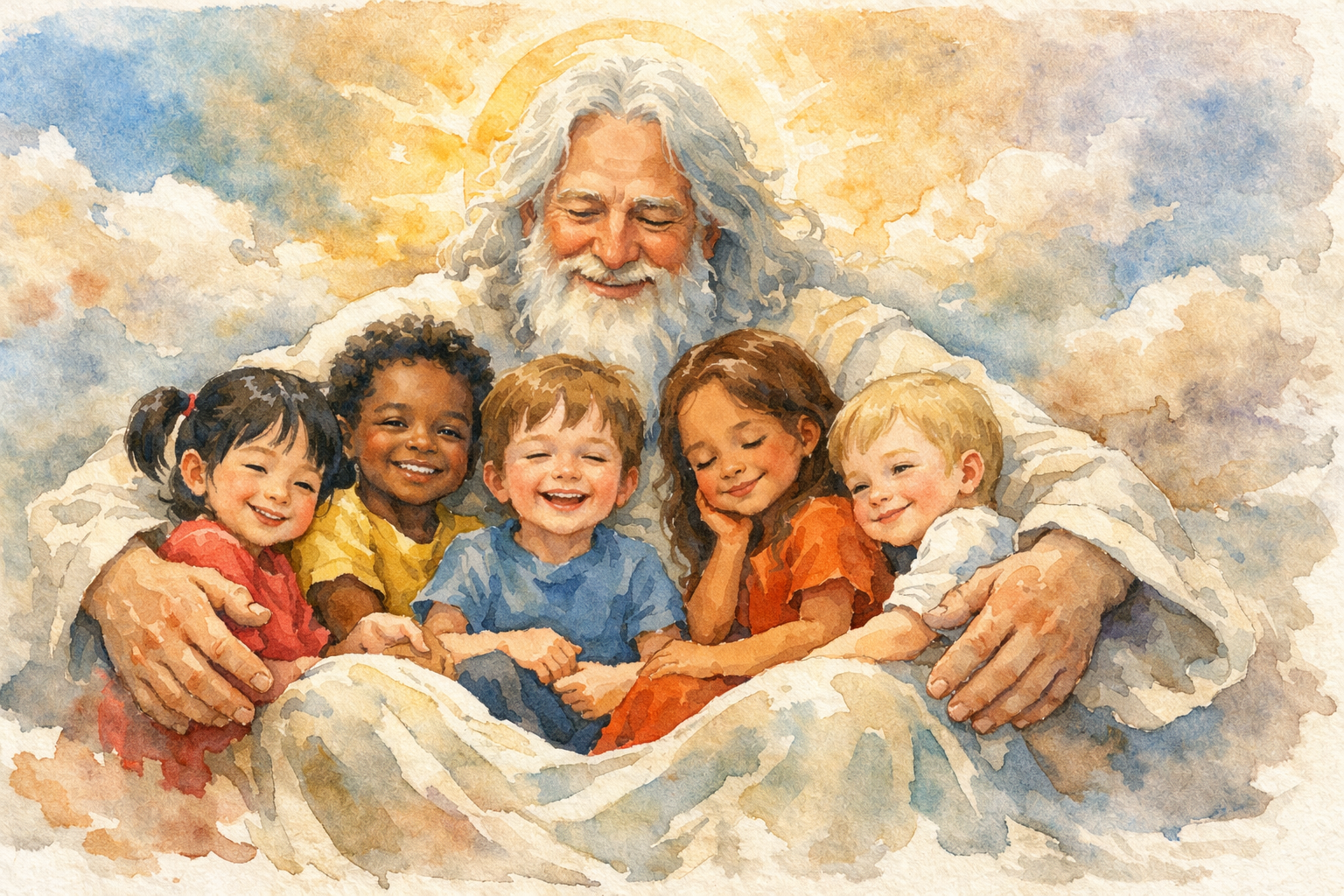
The Apostle Paul’s use of “adoption” language has often been interpreted as implying that human beings become God’s children only after conversion. Yet a careful reading of Paul’s letters reveals a different picture. For Paul, adoption does not create sonship out of nothing; rather, it restores, formalizes, and glorifies a relationship that already exists by…
-
Parables – To invite or to exclude?
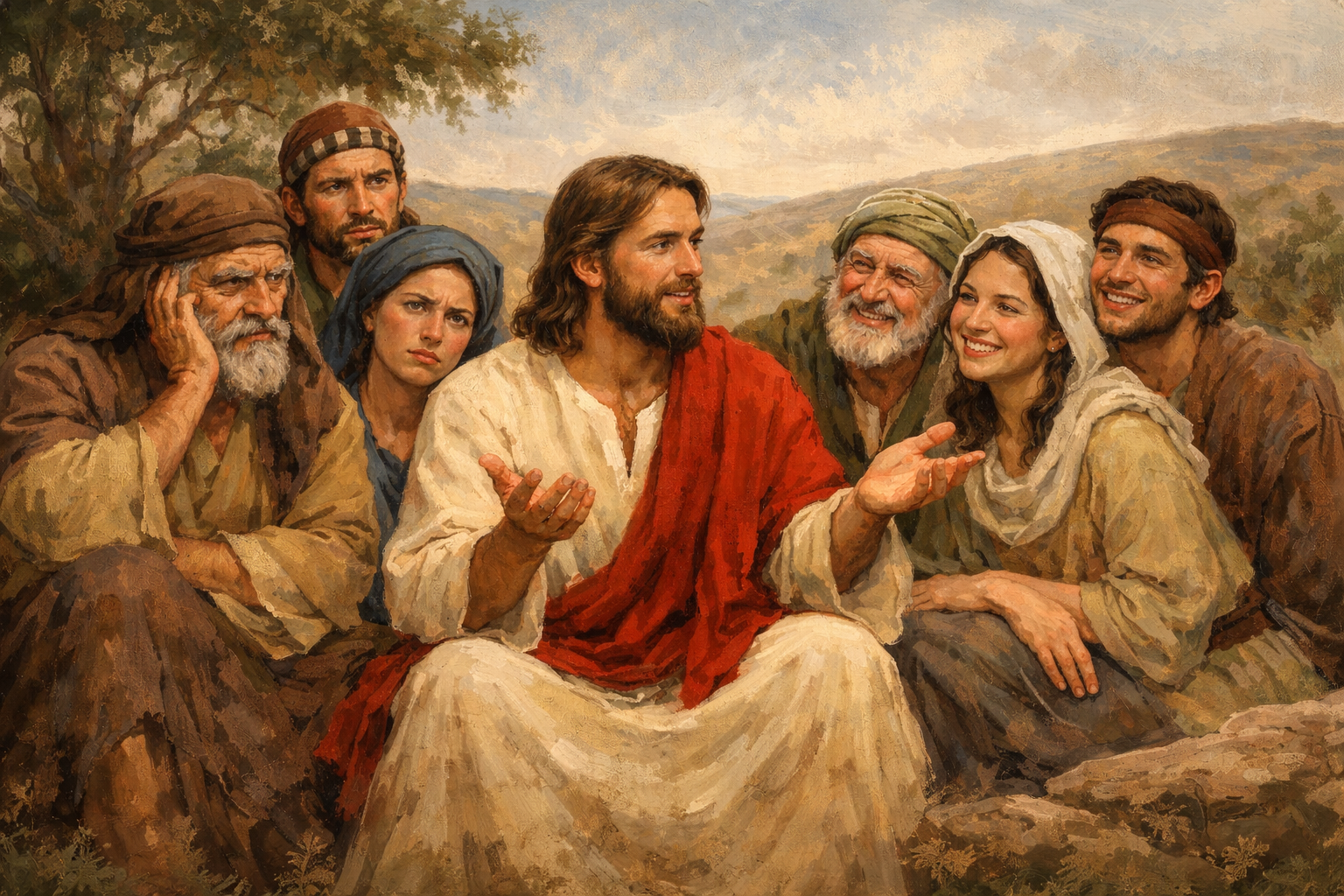
The Paradox of Parabolic Hardening: A Remedial Reading of Matthew 13:15 “For the heart of this people has become dull, with their ears they scarcely hear, and they have closed their eyes, lest they would see with their eyes, hear with their ears, and understand with their heart and return, and I would heal them.”…
-
Matthew 8:11-12 and Luke 13:24-30
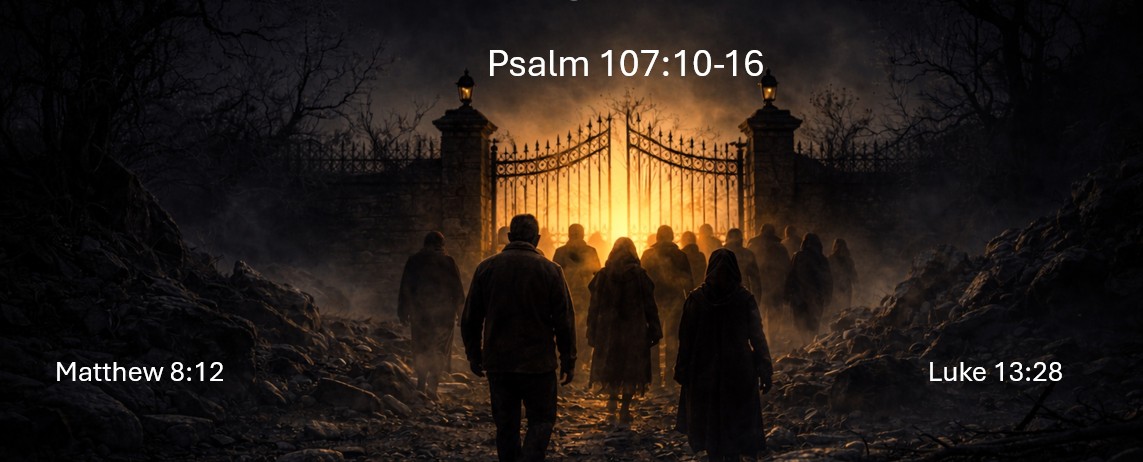
Matthew 8:11-12, “Many coming from east and west, reclining at the table with Abraham, Isaac and Jacob in the kingdom of heaven, but the sons of the kingdom being cast out into the outer darkness where there will be weeping and gnashing of teeth,” and its parallel but more in depth passage in Luke 13:22-30 present…
-
Isaiah 11 A Little Child Shall Lead Them, and the Healing of the Nations

Isaiah 11:1–9, especially the image of the child leading formerly predatory animals, presents not merely a poetic vision of harmony but a theological promise of moral and spiritual transformation of all, including the restoration of the worst offenders – from Isaiah to Jesus to Paul to Revelation.
-
Isaiah 11:6 – Introduction

Isaiah’s vision of peace illustrates a world transformed by God’s kingdom, where natural enemies coexist harmoniously, led by a gentle child. This imagery reflects God’s intention to heal creation and restore relationships, emphasizing that peace comes through humility rather than force. In today’s context of division and violence, Isaiah’s message reassures us that fear and…
-
The Character of God in Revelation 20-22: A Linguistic and Theological Comparison

The final chapters of Revelation have long been central to debates about the ultimate destiny of humanity and the nature of God’s judgment. This article examines what Revelation 20-22 reveals about God’s character from two contrasting theological perspectives: Christian Universalism and Eternal Conscious Torment (ECT). Rather than focusing solely on the mechanics of judgment, we’ll…